CATEGORY

Study Strategies Study Strategies

Discover the latest insights and stories

Enhancing Elementary Math with Visual Arts: A Creative Approach

Incorporating visual arts into elementary math curriculums can significantly enhance the learning process by merging creativity and analytical thinking. This integration can render mathematical concepts more tangible and captivating for young learners, promoting a practical method that leads to a more profound comprehension. Here are four artistic activities that can help make math come alive in elementary education settings. Andy Warhol's iconic pop art, such as his 1962 Campbell’s Soup Cans, serves as an excellent teaching tool for multiplication arrays. Pupils can craft their own arrays by selecting an image or creating a drawing and then formulate multiplication problems based on the repeated patterns within the artwork. The shapes within Vincent van Gogh's masterpiece, The Starry Night, provide an opportunity for students to search for and identify various shapes. Features like stars, the moon, and the famous swirling patterns can be pointed out and named, encouraging students to recognize geometric forms in their everyday environment. Investigating the symmetry in artworks, such as Frida Kahlo’s 1939 piece The Two Fridas, where two representations of the artist are positioned facing each other in symmetrical poses but with different attire, can lead to classroom discussions about the concept of symmetry and its occurrence in both real life and mathematical problems. Both counting and one-to-one correspondence can be effectively taught through the examination of works by artists like Pablo Picasso or Piet Mondrian. Students can engage in counting exercises by tallying shapes within the artwork, such as the number of squares or the quantity of shapes of a specific hue. These innovative strategies were inspired by author and educator Heather Sanderell’s experiences at the Cleveland Museum of Art. Instead of physically taking her math students to the museum, she utilized the museum’s online resources to bring art into the classroom, fostering connections between the seemingly unrelated fields of art and math, and enhancing her students' grasp of both disciplines. For further insights on integrating fine arts into elementary math teaching, refer to Sanderell’s piece for Edutopia titled “Pythagoras and Picasso: Integrating Math and Art in the Classroom.”

Mastering the Art of Classroom Management: A Guide for New Educators and Their Mentors

New teacher Jessie is taking on more responsibilities, having taught approximately 15 lessons with her mentor, Jasdeep, always present to assist if classroom management became challenging or if Jessie encountered difficulties with the curriculum. Recently, they decided to expand Jessie's teaching schedule, and she eagerly anticipated the opportunity to teach a series of lessons and handle four consecutive classes in a single day, feeling prepared for the increased demands. However, the current week has proven to be fraught with challenges. Despite meticulous lesson preparation and positive feedback on content from other educators, classroom behavior has become a significant issue. With less direct intervention from Jasdeep and her peers, Jessie is grappling with escalating 'low-level disruption.' She is aware of the appropriate responses but struggles to muster the resolve to execute them. How can she ensure that her students heed her instructions? Isn't managing classroom behavior supposed to be as straightforward as counting to three? Jessie's experiences resonate with many novice teachers and their mentors. The stress of delivering a complete lesson often causes the behavior strategies they mastered during their initial teaching practice to dissipate. These new educators understand the theoretical aspects of classroom management and can apply them in low-stakes or high-stakes practice scenarios. Yet, the pressure to juggle multiple facets of a lesson can overwhelm them, leading to forgetfulness or a reluctance to employ their learned behavior strategies or the behavior policies they've been taught to use effectively. What can novice teachers do to regain their footing? As I discussed in an earlier blog post, it's crucial for new teachers to recognize the significant impact of low-level behavior challenges on the classroom and learning environment. Many start their training under the impression that minor disruptions are harmless, only to later realize their detrimental effects. Once they acknowledge the need for action, they require instruction in strategies and techniques, as well as opportunities to practice. However, this doesn't always translate into their everyday teaching practices. I've been contemplating the significance of context when applying the behavior strategies that novice teachers learn and rehearse. For instance, I often observe new teachers attempting a 3-2-1 countdown, only to be puzzled by its lack of effectiveness. What they fail to recognize is that their countdown amidst the classroom's hustle and bustle bears little resemblance to how they performed it during low-stakes or focused high-stakes practice. Instead of: “Ok class, I expect pens down and silent attention in 3 seconds – excellent, Bobby and Asif, you're quick – and 2 – I see this side of the room is already quiet – and [waits with a hand signal until everyone complies] 1, thank you all” [begins the explanation/instruction]. Too often, I witness: “Ok class, please finish and be quiet in 3-2-1 [spoken so quickly that few students follow, yet the countdown proceeds], perfect” [with 40% of the class still engaged in previous activities or chatting]. They might be employing their toolkit strategy, but the essence of its application is lost under pressure. Another challenge for new teachers is their inclination to switch strategies when they don't yield immediate results, rather than allowing time for the approach to become ingrained as a routine. While having various techniques is beneficial, frequent changes can confuse students. Clear communication and teaching of behavior expectations are essential and require time. Additionally, new teachers often apply their toolkit without considering the context of their school's policies. Effective classroom management of low-level behavior typically occurs when the strategies align with the school's policies—it's extremely difficult for a new teacher to succeed when trying to implement their own strategies in isolation. How can mentors assist their mentees in integrating practice into their routine? Assist new teachers in recognizing when to act without intervening on their behalf I advocate for supporting mentees in self-reflection through video recordings of lessons, but this doesn't help with real-time adjustments. Another technique to prompt 'in the moment' action is using a mini-whiteboard (MWB) as a cue card. When a mentor notices a low-level behavior issue emerging, they can write a prompt on the MWB, such as “RHS, chatting – give C1,” and display it discreetly to the mentee, prompting them to intervene. This method has proven successful, though it can overwhelm some new teachers. The goal is to tailor support to the new teacher's needs and gradually phase it out. Help new teachers adopt the routines of the school/department/supporting colleague While it's important to

Enhancing Literary Proficiency in Early Education

Teaching writing to young students presents unique challenges, such as aiding in writing planning, organizing resources, providing suitable writing tools, accommodating diverse abilities, and ensuring the publishing process is accessible for young learners. To address these hurdles, I've crafted an efficient and straightforward method: homemade booklets. These self-assembled, staple-bound booklets gather all the materials students require for a writing project into a single, orderly system, including graphic organizers, draft pages, anchor charts, revision aids, and editing checklists. This strategy supports the writing process from initial ideas to final publication, keeps all resources centralized, caters to various learning needs, and encourages young authors to create work they are excited to present. In this article, I will detail my approach: planning your booklet's content, tailoring it to your students' diverse needs, and distributing it to your students. I will use the Realistic Fiction Writing unit I've taught to first and second graders as an example. Begin with reverse planning Determine the key competencies and benchmarks you want your students to achieve by the unit's end. In my Realistic Fiction unit, I concentrate on the narrative fiction structure, character development through life lessons, and narratives enriched with transition words. These objectives guide my selection of graphic organizers, anchor charts, and writing supports for the booklet. Rachel Scheer After a lesson on story structure using a story arc, students use the booklet's planning pages to map out their narratives. They are guided in planning the Beginning (main character and desires, setting), Middle—Problem (obstacles to desires), and Ending—Solution (resolution of desires) by utilizing a story arc graphic organizer. This alignment ensures students have the necessary tools at every stage. Rachel Scheer When students are ready to draft, I follow the same procedure. I teach a lesson on narrative writing with transition words and point out the transition word anchor chart in their booklet's drafting section. On the "Beginning" drafting page, writers can select from a list of transition words and phrases, such as "One day," "First," "It all started with," etc., and incorporate their choice into their draft. Gather materials Collect resources that align with your unit's goals, such as graphic organizers, anchor charts, writing paper, and editing checklists. Utilize materials from your school's curriculum or other reliable sources, and customize them if they do not fully address your students' needs. For instance, to teach character change through a narrative, I created a graphic organizer for young writers to plan a "life lesson" and a list of common life lessons for realistic fiction—truth-telling, contentment, the importance of loved ones, perseverance, etc. Differentiate for a variety of learners Customize booklets to fit the diverse needs in your classroom. The beauty of DIY booklets is the ability to adjust the content or structure to meet each writer's individual needs, abilities, and learning styles, while maintaining the unit's overarching objectives. Here are some examples: Advanced learners might receive a more complex story arc (planning for rising/falling action, additional conflicts, secondary characters, etc.). Students with dysgraphia might benefit from extra spelling and handwriting support in their booklets. Emerging writers may require larger picture boxes for prewriting activities. Differentiating booklets is particularly beneficial for split-grade classes, ensuring all students are appropriately challenged and supported. The booklets have the same cover, but interior pages may differ to accommodate individual needs, fostering a sense of inclusion. Assemble and publish the booklets Organize your resources into a coherent booklet. A standard booklet includes: A cover/title page Planning and brainstorming pages Drafting pages Revision tools (e.g., anchor charts, checklists) Editing checklists An optional rubric at the end Rachel Scheer To create the booklet, print double-sided pages and staple them along the long edge for a book-like opening. <

Instruct with the Grace of a Hummingbird, Not the Intrusiveness of a Helicopter

A helicopter-style teacher, akin to an overbearing parent, dominates the classroom with their overwhelming presence. They become the center of attention, and the children's needs are overshadowed by the teacher's. This approach often leads to practices that are not age-appropriate. In contrast, a hummingbird teacher subtly enters the scene when necessary, swiftly addressing issues without disrupting the children's activities. They are vigilant, ready to assist with conflict resolution or problem-solving when required, and then gracefully exit the scene. A hummingbird teacher provides information when children inquire and encourages curiosity by observing their interests and extending their inquiries. They subtly shape the environment to stimulate children's desire to explore and solve problems. During one of my hummingbird teaching moments in the indoor classroom, I noticed children throwing bean bags at each other, which could lead to injuries. I placed a basket near the back door and challenged the children to throw the bean bags into it from a short distance. Shortly after, they called me over; one bean bag had landed on the door's opening/closing mechanism, and another had joined it after an attempt to dislodge the first. Cover of "I'm not Getting Them Ready for Kindergarten" by Kristen Day. Courtesy of Routledge They sought my help to retrieve the bean bags, but adhering to a child-centered approach that promotes learning through trial and error, I asked them to think of ways to retrieve the bean bags themselves. They brainstormed ideas, such as standing on a chair, which didn't work due to their height. They then tried stacking a chair on a table, but still fell short. Suggestions ranged from using a ladder to a grabber tool like their great-grandfather's. These were clear examples of problem-solving in action! I could have intervened and offered help or stopped their chair-on-table arrangement for safety reasons. However, I understand that meaningful learning often comes from failure. I was there, quietly observing and encouraging, ensuring they were safe while allowing them to experience the learning process. In my past as a helicopter teacher, I might have shown them how to retrieve the bean bags or done it for them, missing the educational opportunity. Using phrases like "I wonder..." or "What do you think?" are hallmarks of a hummingbird teacher, who, with their quiet presence, fosters more curiosity and inquiry in children. Imagine if I told you that people are fully capable of constructing their own learning. Or that children with diverse knowledge and abilities can co-construct learning in groups. Or that adults aren't always necessary for learning to occur. These are all truths supported by research, such as Sugata Mitra's Hole in the Wall Experiment, which demonstrated that children can learn remarkably well on their own without direct adult instruction, thanks to their innate curiosity and ability to self-organize in learning environments. A study by Stipek et al. in 1995 showed that didactic programs, which rely on teacher-directed instruction, provided gains in reading but not in math, and these gains were outweighed by negative effects on children's confidence, motivation, and independence. In educational settings that allow children freedom to initiate and complete tasks, they tend to choose more challenging tasks, rely less on adult approval, and take more pride in their achievements. Didactic instruction, which emphasizes performance, can suppress children's natural curiosity and willingness to tackle new challenges. Teachers should create the conditions for learning and then step back to let the children explore. But Kristen, doesn't Vygotsky's theory of scaffolding require direct teaching? How does this work without the teacher's direct involvement? This is where the balance comes into play. Yes, scaffolding is essential, where a more knowledgeable person provides support until the learner can complete a task independently. If a child asks for help with a task, you provide it. However, if a child consistently seeks your assistance for everything, you might encourage them to try it on their own. Building relationships with each child is crucial for understanding their unique needs and providing timely scaffolding. We can teach, but in a child-led program, teaching is organic, based on the children's needs and interests during play, and it adapts daily based on the direction of their activities.

The Evolution of Education: Embracing Technology and Personalized Learning

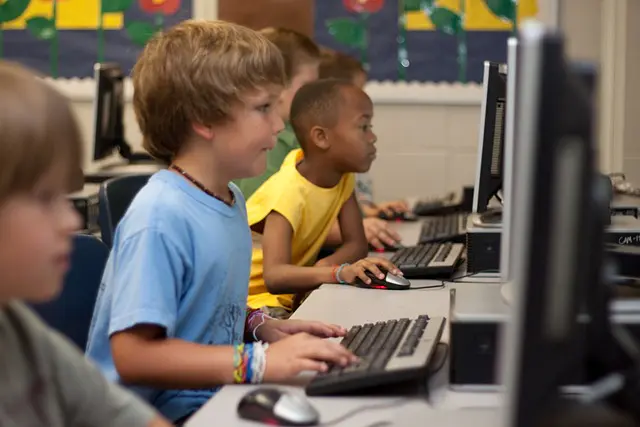
The education system, historically designed to provide knowledge and skills to students, has undergone profound transformations over the years. While the traditional classroom with a teacher standing at the front of the room and students sitting at desks remains prevalent, a revolution is underway—an educational revolution driven by technological advancements and a shift toward personalized learning. The goal is not just to educate but to nurture and empower each student to reach their full potential. In this article, we will explore how educational practices have evolved, focusing on the role of technology and personalized learning in shaping the future of education. Additionally, we will examine the challenges faced by educators and institutions in adopting these changes, and how a balance between innovation and traditional methods is critical for success. The Traditional Model of Education The traditional model of education, often referred to as the "factory model," was designed during the Industrial Revolution. It was efficient for its time, with schools acting as a conveyor belt, mass-producing students with standardized knowledge and skills. The teacher was the central figure in the classroom, disseminating information to a group of students who were expected to absorb it passively. This model, though effective in many ways, has shown its limitations in addressing the diverse needs of students. Critics argue that this approach fails to accommodate the varying learning styles, interests, and abilities of students. In such a system, students who excelled were often left unchallenged, while those who struggled with the pace or method of instruction were left behind. Despite these shortcomings, the traditional education model persisted for much of the 20th century, and in many parts of the world, it still dominates today. However, as society has evolved, so too have the needs of students. The digital age, with its rapid advancements in technology, has created an environment that requires new ways of thinking about education. The rise of the internet, artificial intelligence, and machine learning has paved the way for educational reforms, shifting the focus from a one-size-fits-all model to a more dynamic, individualized approach. The Role of Technology in Education In recent decades, technology has rapidly transformed many aspects of life, and education is no exception. From online courses to digital textbooks, educational technology has had a profound impact on how students learn and how teachers teach. The integration of technology into classrooms has opened up new possibilities for enhancing learning experiences, improving accessibility, and personalizing instruction. 1. Digital Learning Tools and Platforms One of the most notable contributions of technology to education has been the development of digital learning tools and platforms. These platforms allow students to access educational content, collaborate with peers, and engage in interactive activities outside of the traditional classroom. For example, platforms like Khan Academy, Coursera, and edX have made it possible for students worldwide to take courses from top universities and experts in various fields. These digital tools offer a wealth of resources—videos, quizzes, discussions, and interactive assignments—that cater to different learning preferences. Students who may not thrive in a lecture-based setting can engage in self-paced learning, allowing them to take ownership of their education. This has been particularly beneficial for adult learners, non-traditional students, and those with learning disabilities, offering them flexible learning options that fit into their personal lives. 2. Artificial Intelligence (AI) and Machine Learning Artificial intelligence (AI) has the potential to revolutionize education by providing tailored learning experiences for students. AI-powered platforms can track a student's progress, identify areas where they are struggling, and adjust the curriculum accordingly. For example, AI-based tutoring systems such as Squirrel AI and Carnegie Learning are able to analyze a student's responses and provide customized feedback, helping them learn at their own pace. Moreover, AI can assist teachers in managing classrooms more efficiently. Automated grading systems, predictive analytics, and student performance monitoring can help educators identify struggling students early, allowing for timely interventions. By reducing administrative tasks, AI allows teachers to spend more time on individualized instruction and student engagement. 3. Virtual and Augmented Reality (VR/AR) Virtual reality (VR) and augmented reality (AR) technologies have introduced immersive learning experiences that engage students in ways that traditional textbooks cannot. For example, VR can transport students to historical events, allowing them to experience history firsthand, or to distant planets, making science lessons more interactive. AR, on the other hand, overlays digital content onto the real world, allowing students to interact with 3D models and simulations. These technologies are particularly useful in subjects that require hands-on learning, such as medicine, engineering, and architecture. Students can practice complex procedures or experiment with designs in a risk-free virtual environment, gaining valuable experience without the constraints of physical resources or safety concerns. 4. Gamification of Learning Gamification, the integration of game-like elements into non-game contexts, has become a popular method for increasing student engagement. By incorporating points, levels, badges, and leaderboards, educators can create a fun and competitive learning environment that motivates students to participate and excel. This approach has been particularly effective in subjects that students traditionally find less engaging, such as mathematics and language arts. For instance, platforms like Duolingo, which teaches language through gamification, have become immensely popular. Students enjoy learning through challenges and rewards, and this interactive approach has been shown to increase retention and improve outcomes. The Rise of Personalized Learning Personalized learning refers to an educational approach that tailors the learning experience to meet the individual needs, preferences, and abilities of each student. Unlike the traditional model, which often treats all students as a homogenous group, personalized learning recognizes that each student is unique and requires different types of support to succeed. 1. Student-Centered Learning At the heart of personalized learning is the shift from teacher-centered to student-centered learning. In this model, students take on a more active role in their education. They set their own goals, track their progress, and make decisions about how they learn best. Teachers act as facilitators, guiding students through their learning journey rather than simply delivering content. This shift has been made possible by advances in technology, which provide students with access to a wealth of resources and allow them to learn at their own pace. For example, adaptive learning systems like DreamBox and McGraw-Hill Education's ALEKS use algorithms to customize the content and pace of lessons, ensuring that students receive the right level of challenge based on their individual progress. 2. Competency-Based Education Competency-based education (CBE) is an approach that focuses on students demonstrating mastery of specific skills or knowledge before moving on to more advanced topics. This contrasts with the traditional system, where students move forward based on the time spent in class rather than actual achievement. In CBE, students are assessed on their ability to demonstrate competence in various areas. This allows for greater flexibility, as students can progress at their own pace, spending more time on areas where they need improvement and advancing quickly through concepts they have already mastered. CBE also emphasizes real-world applications of knowledge, ensuring that students are prepared for success in their careers. 3. Data-Driven Instruction Personalized learning relies heavily on data to guide instructional decisions. Teachers use data to understand each student's strengths, weaknesses, learning preferences, and progress. This data is collected through assessments, observations, and interactions with digital learning tools. By analyzing this data, teachers can provide timely interventions, offer personalized feedback, and adjust instruction to meet the needs of each student. For example, if a student is struggling with a particular concept, the teacher may offer additional resources or suggest alternative learning strategies. Challenges and Barriers to Implementation While the potential of technology and personalized learning is immense, several challenges and barriers remain in the way of full-scale implementation. 1. Access to Technology Access to technology remains one of the biggest barriers to adopting digital learning tools and personalized instruction. While many students in developed countries have access to laptops and the internet, this is not the case in many parts of the world, where infrastructure and resources are limited. In order for personalized learning to be truly effective, equitable access to technology is essential. 2. Teacher Training Even with the best tools and resources, technology is only as effective as the educators who use it. Teachers need to be trained not only in how to use the technology but also in how to integrate it into their teaching practices effectively. Professional development programs must be designed to help educators navigate the complexities of personalized learning and make the most of the available digital tools. 3. Data Privacy and Security As education becomes more data-driven, concerns around data privacy and security have emerged. Schools and educational institutions must ensure that student data is protected and used ethically. This includes securing personal information, ensuring that data is not misused, and providing transparency in how data is collected and analyzed. 4. Resistance to Change The transition from traditional methods to technology-driven and personalized learning can be met with resistance from both educators and parents. Some may fear that technology will replace human teachers, while others may feel that personalized learning undermines the importance of a structured, standardized curriculum. Overcoming this resistance requires clear communication about the benefits of these innovations and a gradual, inclusive approach to implementation. The Future of Education The future of education lies in a hybrid model that blends the best of traditional and modern approaches. While technology can enhance and personalize learning, the human element—the teacher-student relationship—remains irreplaceable. Personalized learning, when implemented thoughtfully, can empower students to take control of their learning, allowing them to pursue their passions and develop the skills they need to succeed in the 21st century. In the coming years, we can expect further integration of technology into the classroom, as well as the expansion of personalized learning models that cater to the diverse needs of students. However, as we embrace innovation, we must ensure that no student is left behind, and that equity, access, and teacher support remain at the forefront of educational reform. The journey toward a more personalized, technology-enabled education system is not without its challenges, but the rewards—greater student engagement, better learning outcomes, and a more inclusive educational experience—are well worth the effort. As we move forward, we must keep in mind that education is not just about preparing students for jobs but about preparing them for life, giving them the tools to think critically, collaborate, and innovate in an increasingly complex world.

Strategies for an Engaging Classroom Environment

Driving student motivation can be challenging. We use various tactics to inspire, but what if the key to motivation lies not within the students but in the environment we create for them? As behavioral economist Richard H. Thaler and legal scholar Cass R. Sunstein discuss in their book Nudge: Improving Decisions About Health, Wealth, and Happiness, our surroundings significantly influence our actions. In an educational context, this means that making intentional, small changes to the classroom can greatly enhance student motivation and participation. These modifications are straightforward to implement and can lead to significant improvements without depleting your energy or theirs. Consider this scenario: Why do people opt for the stairs when the elevator is out of order? It’s not a newfound commitment to fitness—it’s the environment guiding their choice. Similarly, we can design classrooms that guide students towards the behaviors we desire. 1. Simplify the Process: Facilitate Engagement A straightforward method to increase student motivation is by removing minor hurdles that impede participation. Behavioral science indicates that even minor obstacles can greatly affect behavior. For instance, in an experiment with bananas and oranges available, people chose bananas more frequently, not because of taste, but because they were easier to peel. By eliminating these “peeling problems” in education, we can see a substantial increase in student motivation. The first step in enhancing the design is identifying the obstacles that complicate easy engagement. Even small inconveniences, such as a lack of materials, can distract students in the classroom. By reducing these barriers, we facilitate students’ ability to begin and continue their work. In my English class, I’ve set up a Grab-and-Go Station with all the supplies students might need: pencils, pens, highlighters, sticky notes, and paper. If a student forgets an item, they don’t need to interrupt or search for it; they can just go to the station and take what they need. This simple change has saved many lessons from disruption and has empowered students to be more self-reliant. I also encourage students to restock the station, fostering a sense of ownership and respect for communal resources. 2. Stimulate the Brain with Visual Aids Our brains are naturally responsive to visual stimuli. A well-placed visual aid can be more effective than numerous verbal prompts. Research on visual processing shows that these cues can make desired behaviors more automatic by bypassing mental clutter. One technique I use is a “Question Parking Lot” in my classroom—a whiteboard where students can write questions or tips during independent study. While working, students are required to write down at least one question they’re stuck on or a tip that has helped them understand the material. For example, during a lesson on theme analysis, a student might ask, “What is a ‘universal theme’?” or share, “Breaking the text into smaller sections helped me identify the theme.” At the end of the lesson, we review the parking lot together. This not only gives me insight into students’ difficulties but also encourages deeper engagement with the material. Moreover, visual cues can help make reflection habitual and nurture a supportive learning environment. In my classroom, I’ve designated clearly labeled areas with specific expectations to assist students in transitioning smoothly. Labels like “Quiet Zone,” “Collaboration Area,” and “Turn-In Bin” act as constant, silent reminders of expectations in each space. This system minimizes the need for repeated instructions and allows students to move seamlessly between tasks. 3. Visually Ignite Curiosity to Maintain Engagement Curiosity is a potent motivator. Studies show that when students are curious, they are more likely to engage willingly in their work and even enjoy the process. Before lessons, I post an intriguing question or interesting fact on the board. For example, before a unit on figurative language, I wrote, “Which phrase was banned in 19th-century France—‘raining cats and dogs’ or ‘a piece of cake’?” Students were eager to find out, and that curiosity carried into the lesson. Posting a visual cue or hook stimulates students and helps maintain engagement throughout the lesson. 4. Demonstrate Progress to Encourage Continued Effort We often focus on the final goal, neglecting to acknowledge the small victories along the way. Creating a visual space to acknowledge progress is essential for maintaining momentum, especially

Fostering Creativity in Education: Preparing Students for the Future

In the ever-evolving landscape of the 21st century, creativity has become one of the most valuable skills for students to develop. With the rapid advancements in technology, globalization, and shifting job markets, the ability to think creatively and adapt to new challenges has never been more important. While traditional education systems have focused heavily on standardized testing and rote memorization, there is a growing recognition that fostering creativity is essential for preparing students for future success. In this article, we will explore the significance of creativity in education, the benefits of nurturing creative thinking in students, and practical strategies for integrating creativity into the curriculum. We will also examine the challenges faced by educators in promoting creativity and how schools can create environments that encourage innovation and problem-solving. The Importance of Creativity in Education Creativity is the ability to think outside the box, generate novel ideas, and approach problems in innovative ways. It is not limited to the arts—creativity is a skill that can be applied to all areas of life, including science, technology, business, and social issues. In fact, as the world becomes more complex, creativity has emerged as a critical skill in nearly every field. The traditional education model, which emphasizes memorization, standardized testing, and adherence to fixed curricula, often leaves little room for creativity. However, in a rapidly changing world, the ability to think creatively and adapt to new situations is vital. By fostering creativity, educators can equip students with the skills they need to thrive in a future where adaptability, innovation, and problem-solving are paramount. 1. The Role of Creativity in Problem-Solving Creativity is fundamentally linked to problem-solving. In a world increasingly characterized by uncertainty and complexity, the ability to find innovative solutions to problems is essential. Whether students are faced with scientific challenges, social issues, or technological advancements, creativity enables them to approach problems from multiple angles and develop novel solutions. For example, in science and engineering, creative thinking can lead to groundbreaking inventions and discoveries. In the arts, creativity allows individuals to express themselves in unique and meaningful ways. In business and entrepreneurship, creative ideas drive innovation, enabling companies to stay competitive in a global market. Students who are encouraged to think creatively are better equipped to face the challenges of tomorrow. They are able to take risks, experiment with new ideas, and learn from failure—an essential part of the problem-solving process. 2. Creativity and Critical Thinking Creativity and critical thinking are often seen as complementary skills. While critical thinking involves analyzing information, evaluating evidence, and drawing logical conclusions, creativity involves generating new ideas, thinking beyond established norms, and imagining possibilities that others may not see. Together, these skills enable students to think deeply and broadly about issues, challenge assumptions, and develop original solutions. In a world where information is abundant and easily accessible, the ability to think critically and creatively is essential for navigating the complexities of modern life. Students who can combine critical thinking with creativity are better able to make informed decisions, solve problems efficiently, and contribute to meaningful societal progress. The Benefits of Fostering Creativity in Education Fostering creativity in education has numerous benefits that extend beyond academic achievement. Some of the most significant advantages include: 1. Enhanced Cognitive Development Creativity stimulates cognitive growth by encouraging students to make connections between disparate ideas, think abstractly, and engage in divergent thinking. These activities help to strengthen neural pathways, enhance memory retention, and improve overall cognitive function. By engaging students in creative activities, educators can promote deeper learning and intellectual development. Moreover, creative thinking fosters curiosity, a key driver of learning. Students who are curious are more likely to ask questions, explore new ideas, and engage in self-directed learning—traits that lead to a lifelong love of learning. 2. Increased Motivation and Engagement Creativity can transform the learning experience, making it more engaging and enjoyable for students. When students are given the freedom to explore their interests and express their ideas, they are more likely to be motivated and excited about learning. Creative activities—such as project-based learning, hands-on experiments, and artistic endeavors—capture students' attention and foster a sense of ownership over their education. By integrating creativity into the curriculum, educators can create an environment where students feel empowered to explore their passions and contribute to the learning process. This sense of agency and engagement leads to greater academic motivation and improved learning outcomes. 3. Preparation for Future Careers As technology continues to disrupt industries and reshape the job market, creativity has become a key factor in employability. Jobs that require creative thinking, problem-solving, and innovation are in high demand across a wide range of sectors, including technology, healthcare, design, and business. By fostering creativity in the classroom, educators help students develop the skills that will be essential for future careers. Furthermore, creative skills are valuable in the gig economy, where individuals are often required to be self-starters, entrepreneurs, and innovators. The ability to think creatively and adapt to changing circumstances is crucial for success in these dynamic work environments. 4. Improved Social and Emotional Development Creativity is also important for social and emotional development. When students engage in creative activities, they learn to express their emotions, collaborate with others, and build empathy. Artistic endeavors, group projects, and problem-solving tasks require students to communicate effectively, listen to others' perspectives, and work together toward a common goal. Through creative expression, students develop a stronger sense of self and gain confidence in their abilities. Creativity also helps students build resilience by teaching them to take risks, cope with failure, and persevere in the face of challenges. Strategies for Fostering Creativity in the Classroom Integrating creativity into the classroom requires intentional effort and a shift in teaching practices. Below are some strategies that educators can use to foster creativity in their students: 1. Project-Based Learning Project-based learning (PBL) is an approach that encourages students to engage in hands-on, real-world projects that require creative thinking and problem-solving. In PBL, students work on long-term projects that involve research, collaboration, and the application of knowledge to solve authentic problems. These projects provide students with the opportunity to explore topics of interest, experiment with new ideas, and develop innovative solutions. By incorporating PBL into the curriculum, educators can encourage students to think critically and creatively while working on projects that are meaningful and relevant to their lives. 2. Incorporating the Arts The arts—whether visual arts, music, theater, or dance—are natural outlets for creative expression. By integrating the arts into various subjects, educators can encourage students to think creatively and develop their artistic talents. For example, students might create visual representations of scientific concepts, compose music to express mathematical patterns, or use drama to explore historical events. Incorporating the arts into the curriculum not only enhances creativity but also provides students with opportunities to explore different modes of expression and develop new skills. 3. Encouraging Divergent Thinking Divergent thinking, the ability to generate multiple solutions to a single problem, is a key component of creativity. Educators can foster divergent thinking by encouraging students to brainstorm, explore different perspectives, and think beyond conventional solutions. Activities such as open-ended questions, mind mapping, and "what if" scenarios can help students develop their creative problem-solving skills. By valuing diverse ideas and encouraging students to think outside the box, educators create an environment where creativity is nurtured and celebrated. 4. Providing Opportunities for Risk-Taking and Experimentation Creativity thrives in an environment where students feel safe to take risks and experiment with new ideas. Educators can promote creativity by encouraging students to embrace failure as part of the learning process. When students are allowed to make mistakes, try new approaches, and learn from their experiences, they develop resilience and a growth mindset. In the classroom, this can be achieved by providing opportunities for trial and error, encouraging experimentation, and emphasizing the process of learning rather than focusing solely on the end result. Challenges in Promoting Creativity While the benefits of fostering creativity are clear, there are several challenges that educators face in promoting creativity in the classroom: 1. Standardized Testing The pressure to perform well on standardized tests can limit teachers' ability to focus on creative activities. In many education systems, standardized testing is the primary measure of student success, which can lead to a focus on rote memorization and test preparation rather than creative thinking. This can stifle students' ability to think critically and creatively. 2. Time Constraints The demands of the curriculum, coupled with the need to cover a wide range of content, often leave little time for creative exploration. Teachers may feel constrained by the need to meet academic standards and prepare students for exams, which can limit opportunities for creativity in the classroom. 3. Lack of Resources Creativity often requires resources, such as art supplies, technology, or access to real-world problems. In schools with limited budgets, teachers may struggle to provide students with the materials and tools they need to engage in creative activities. The Future of Creativity in Education As the world continues to change, the importance of creativity in education will only grow. By fostering creativity in students, educators are preparing them for a future where innovation, adaptability, and problem-solving are essential. Creative thinking will not only help students succeed academically but will also equip them with the skills they need to navigate an increasingly complex and unpredictable world. Ultimately, the future of education lies in creating an environment where students can think creatively, explore new ideas, and develop the skills they need to thrive. By embracing creativity as a core component of education, schools can ensure that students are not only prepared for the challenges of tomorrow but are also equipped to shape the future.

Inclusive Education: Fostering Diversity, Equity, and Belonging in the Classroom

Education has the power to transform lives, offering students the knowledge, skills, and values necessary to succeed in life. However, to truly achieve the vision of equitable and holistic education, it must embrace the diverse needs of all learners. Inclusive education, a model that seeks to integrate students of all backgrounds, abilities, and needs into general education settings, is a vital step toward creating a more inclusive, equitable, and diverse educational system. This article explores the significance of inclusive education, its benefits, challenges, and practical strategies for educators to implement inclusive practices that foster a sense of belonging and promote educational success for all students, regardless of their abilities or backgrounds. What is Inclusive Education? Inclusive education refers to the practice of educating all students, including those with disabilities, from diverse cultural, linguistic, and socioeconomic backgrounds, in general education settings. The aim is to provide equitable opportunities for learning and development by accommodating diverse learning needs. Inclusive education does not merely involve physical placement of students with disabilities or other challenges in mainstream classrooms, but it also incorporates the adaptation of teaching methods, curricula, and classroom environments to meet the diverse needs of all students. At the core of inclusive education is the idea that every child deserves access to quality education, and that diversity in the classroom should be seen as an asset rather than a challenge. This approach promotes an environment where all students are supported to reach their full potential, regardless of their individual differences. The Importance of Inclusive Education Inclusive education is a fundamental aspect of promoting social justice, equity, and diversity within educational systems. Its significance extends beyond the immediate benefits it provides to students, influencing broader societal values. Here are several key reasons why inclusive education is important: 1. Promoting Equity and Equal Opportunities One of the main goals of inclusive education is to ensure that all students, regardless of their abilities, race, gender, socioeconomic background, or language proficiency, have access to the same high-quality educational opportunities. Traditional education systems often segregate students with disabilities or those from marginalized groups into separate classrooms or schools, reinforcing social inequalities. Inclusive education, on the other hand, seeks to dismantle these barriers and create a level playing field where every student can succeed. By adopting inclusive practices, educators ensure that all students have the opportunity to participate fully in the learning process, fostering a culture of fairness and equal access to educational resources. 2. Celebrating Diversity and Building Empathy In an inclusive classroom, students are exposed to a range of perspectives, backgrounds, and experiences, helping to cultivate an environment of mutual respect and understanding. By interacting with peers who may have different abilities or come from diverse cultural and linguistic backgrounds, students learn to appreciate the richness of diversity. They develop empathy, learn to value differences, and acquire the social and emotional skills necessary to work collaboratively with people from various walks of life. These interactions prepare students for life in a multicultural and interconnected world. They learn how to navigate differences, celebrate diversity, and build positive relationships with individuals who may not share their own backgrounds or experiences. 3. Enhancing Academic and Social Outcomes Contrary to the belief that students with disabilities or special needs are better served in segregated settings, research has shown that inclusive education leads to better academic and social outcomes for all students. When students are taught in inclusive environments, they benefit from exposure to different perspectives, higher expectations, and diverse teaching methods. For students with disabilities or special needs, inclusion in general education classrooms provides access to the same challenging curriculum and peer interactions that promote growth and development. These students often experience improved academic achievement, social skills, and overall well-being when placed in inclusive environments. At the same time, students without disabilities also benefit from inclusion. They develop greater awareness and understanding of diversity, learn to appreciate the strengths and challenges of others, and improve their own social and problem-solving skills. 4. Fostering a Sense of Belonging A key component of inclusive education is the creation of a classroom environment where every student feels valued and included. For students with disabilities or from marginalized backgrounds, the feeling of belonging in school can be transformative. Inclusion helps to break down stereotypes, eliminate isolation, and promote a sense of community. When students feel that they belong in the classroom and school, they are more likely to engage in learning, take risks, and pursue their academic goals. This sense of belonging also fosters positive self-esteem and mental well-being, which are critical for students' overall success in school and life. Benefits of Inclusive Education Inclusive education offers numerous benefits, both for individual students and for society as a whole. Some of the most significant advantages include: 1. Improved Social Skills Students in inclusive classrooms learn how to interact with individuals from diverse backgrounds, including those with different abilities, cultures, and life experiences. These interactions help students develop important social skills such as communication, cooperation, empathy, and conflict resolution. These skills are essential not only for academic success but also for building positive relationships in personal and professional life. 2. Increased Academic Achievement Inclusive education provides all students with access to a broad and diverse curriculum, as well as teaching strategies tailored to meet individual needs. Students with disabilities or other learning challenges benefit from individualized support, while students without disabilities are exposed to a wide range of ideas and problem-solving approaches. As a result, inclusive education can lead to better academic performance for all students. Furthermore, inclusive classrooms often use differentiated instruction, which helps to tailor teaching methods and materials to the unique needs of students, promoting deeper learning and understanding. 3. Preparation for an Inclusive Society By embracing inclusive education, schools prepare students to participate in a society that values diversity and inclusion. The skills students develop in inclusive classrooms—such as empathy, adaptability, and teamwork—are essential for navigating the complexities of a multicultural world. In an inclusive classroom, students learn to accept differences, challenge stereotypes, and develop the resilience to work through challenges with others. These skills are crucial for fostering social cohesion and building a more inclusive society. 4. Strengthening Community Connections Inclusive education builds stronger connections within the school community and the broader society. When students from diverse backgrounds and abilities interact in the classroom, they form bonds that extend beyond the school walls. This fosters a sense of shared responsibility and mutual support, contributing to stronger communities and more compassionate societies. Implementing Inclusive Education: Practical Strategies for Educators While the principles of inclusive education are widely accepted, effectively implementing these practices in the classroom requires careful planning, training, and commitment. Here are some practical strategies for educators to foster inclusive learning environments: 1. Differentiated Instruction Differentiated instruction involves tailoring teaching methods, materials, and assessments to meet the diverse needs of students. Teachers can use a variety of strategies, such as modifying the pace of instruction, providing alternative materials (e.g., audio or visual aids), and offering flexible assessments, to ensure that all students can access the curriculum and succeed in their learning. Differentiated instruction allows students with varying abilities, interests, and learning styles to engage with the content in meaningful ways, promoting inclusion and participation. 2. Collaborative Teaching Collaboration between general education teachers, special education teachers, and support staff is key to creating an inclusive classroom. Co-teaching models, where educators work together to deliver lessons, provide differentiated instruction, and offer support to individual students, can be highly effective in fostering inclusion. In this model, each teacher brings their expertise to the table, ensuring that all students receive the support they need to succeed. Collaboration between teachers and support staff helps create a more personalized learning experience for every student. 3. Promoting Positive Behavior and Classroom Culture A positive classroom culture that encourages respect, kindness, and collaboration is essential for inclusivity. Teachers can foster this culture by setting clear expectations for behavior, promoting teamwork, and encouraging open communication. By modeling inclusive behaviors and reinforcing positive interactions, educators create a safe and supportive environment where all students feel valued. In addition, educators can promote inclusive language and practices by avoiding stereotypes, celebrating diversity, and encouraging students to embrace differences. 4. Engaging Families and Communities Inclusive education extends beyond the classroom—it involves families, communities, and society at large. Educators can foster inclusivity by engaging parents and caregivers in the learning process, creating opportunities for collaboration, and involving families in decision-making. Schools should also build partnerships with local organizations and community members to support students' diverse needs and create a network of support for families. Challenges in Inclusive Education Despite the numerous benefits of inclusive education, there are several challenges that schools may face in implementing inclusive practices: 1. Lack of Resources and Support Many schools struggle with limited resources, including funding, specialized staff, and teaching materials. Teachers may not always have access to the training and support they need to effectively teach diverse learners. Additionally, schools may lack physical accommodations or assistive technologies to support students with disabilities. 2. Teacher Training and Professional Development Effective inclusive education requires teachers to be well-trained in differentiating instruction, managing diverse classrooms, and addressing the specific needs of students with disabilities or other challenges. Professional development opportunities that focus on inclusive practices are essential for ensuring that educators have the skills and knowledge needed to create inclusive classrooms. 3. Resistance to Change Implementing inclusive education often requires a shift in mindset and practices. Some educators, parents, or communities may be resistant to the idea of inclusive education, fearing that it may compromise academic standards or disrupt the classroom environment. Overcoming this resistance requires education, awareness, and a commitment to the principles of equity and inclusion. Conclusion: The Future of Inclusive Education Inclusive education is not just a theoretical concept—it is a transformative practice that benefits students, educators, and society as a whole. By embracing diversity and providing equitable opportunities for all students, inclusive education creates an environment where every child has the chance to succeed and thrive. As we move toward a more inclusive and equitable future, it is essential that educators, policymakers, and communities work together to ensure that inclusive practices are embedded in every aspect of education. Inclusion is not only about integrating students with disabilities or special needs; it is about creating a classroom and society where everyone belongs, valued for who they are, and empowered to achieve their full potential.

8 of 9 articles