CATEGORY

Travel Tips Travel Tips

Discover the latest insights and stories

The Rise of Digital Nomadism: Why Work and Travel Are the New Norm

The rise of digital nomadism is one of the most significant lifestyle shifts in recent years. With the advent of technology and the increasing availability of remote work opportunities, more people than ever are choosing to live a life of travel while maintaining their careers. This lifestyle allows individuals to work from anywhere in the world, whether it’s from a beach in Bali, a café in Paris, or a mountain cabin in the Swiss Alps. The allure of becoming a digital nomad is multifaceted. For many, it’s the ultimate combination of work and leisure. Instead of being tied to a desk in a traditional office, digital nomads can design their own schedules and work from anywhere with an internet connection. This freedom offers a much-needed break from the 9-to-5 grind and the opportunity to experience new cultures and environments while continuing to earn a living. But the life of a digital nomad isn’t always as glamorous as it may seem. While the flexibility is undoubtedly appealing, it requires careful planning and discipline. One of the biggest challenges digital nomads face is staying productive while on the move. Unlike traditional office work, there’s no set schedule or boss looking over your shoulder. This means that digital nomads must be self-motivated and adept at managing their time. For many, the solution is co-working spaces, which are popping up in digital nomad hubs around the world. These spaces offer reliable Wi-Fi, office-like environments, and opportunities for networking and collaboration with other remote workers. Cities like Chiang Mai in Thailand, Medellin in Colombia, and Lisbon in Portugal have become popular hotspots for digital nomads due to their affordability, welcoming communities, and abundance of co-working spaces. The rise of digital nomadism has had a significant impact on local economies. As more people opt to live and work abroad, they inject money into local businesses, especially in countries with lower living costs. Digital nomads are often seen as valuable contributors to the local economy, as they spend money on accommodation, food, and entertainment. However, some concerns have arisen regarding the effect of this influx of remote workers on housing prices and local infrastructure, especially in cities that weren’t originally designed to handle large numbers of international residents. Governments around the world have begun to recognize the potential of the digital nomad movement. Countries like Estonia, Barbados, and Portugal have introduced special visas that allow remote workers to live and work legally for extended periods. These “digital nomad visas” are a great incentive for travelers looking to explore a new country while still maintaining their job. Ultimately, the rise of digital nomadism represents a profound shift in the way we think about work and travel. It’s a lifestyle that allows people to design their own path, blending work, exploration, and personal growth. While it comes with its own set of challenges, the rewards of being a digital nomad—freedom, flexibility, and the opportunity to see the world—are proving to be irresistible for many.

Exploring the Best Hiking Trails in New Zealand

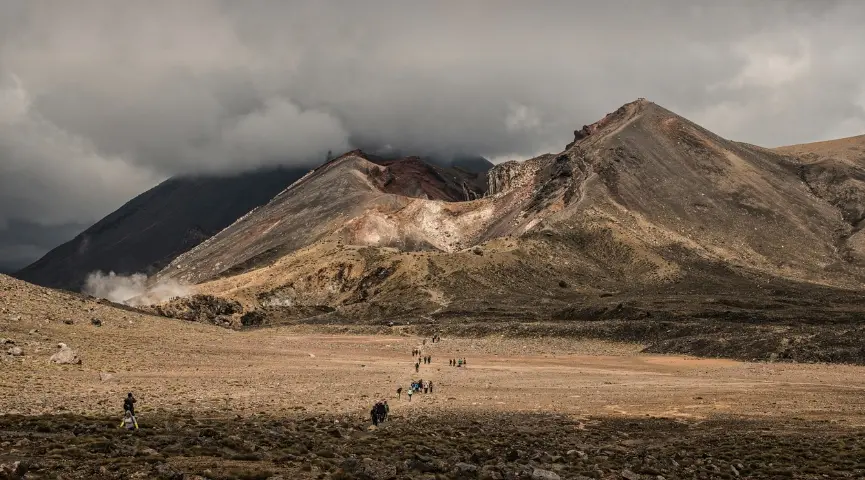
New Zealand is a dream destination for hiking enthusiasts. The country’s diverse landscapes, ranging from snow-capped mountains to lush forests, offer some of the most spectacular trekking experiences in the world. In this guide, we'll take a look at three of New Zealand's best hiking trails that should be on every adventurer’s bucket list. 1. Milford Track Considered one of the finest hikes in the world, the Milford Track is a 53.5 km trail through Fiordland National Park. It takes you through dense rainforests, past waterfalls, and offers views of the famous Milford Sound. Hiking this trail is an unforgettable experience, and the varied terrain adds an exciting challenge to the journey. 2. Tongariro Alpine Crossing This 19.4 km trek is known for its striking volcanic landscapes. The trail goes through the Tongariro National Park and offers views of steaming craters, vibrant emerald lakes, and active volcanoes. It’s considered one of the best day hikes in the world due to its spectacular scenery and relatively accessible nature. 3. Routeburn Track The Routeburn Track connects Mount Aspiring National Park with Fiordland National Park. This 32 km trail takes hikers through alpine meadows, crystal-clear rivers, and dense forests. Along the way, you can enjoy panoramic views of New Zealand’s Southern Alps. Conclusion: Whether you are looking for an extended multi-day trek or a day hike, New Zealand has it all. Each trail provides a unique adventure with stunning natural beauty, so be sure to pack your boots and explore the incredible hiking trails this country has to offer.

A Journey Through Morocco: From the Sahara to the Atlas Mountains

Morocco is a country of vibrant culture, stunning landscapes, and rich history. From its golden deserts to towering mountain ranges, here’s a guide to exploring the best of Morocco. 1.Marrakech: Begin your journey in the bustling city of Marrakech. Explore the vibrant souks, visit the majestic Koutoubia Mosque, and immerse yourself in the lively Jemaa el-Fnaa square. 2.The Sahara Desert: Head east to the Sahara Desert for a once-in-a-lifetime experience. Camp under a canopy of stars, take a camel trek through the dunes, and witness the magical sunrise over the sand. 3.The Atlas Mountains: For nature lovers, the Atlas Mountains offer incredible hiking opportunities and charming Berber villages. Don’t miss the Toubkal National Park, home to North Africa’s highest peak. 4.Chefchaouen: Known as the "Blue Pearl," Chefchaouen is a picturesque town with blue-washed streets, offering breathtaking views and a relaxing atmosphere. Conclusion: Morocco is a land of contrasts and colors, where ancient traditions blend seamlessly with natural beauty. From bustling cities to serene deserts, it’s a destination that promises unforgettable memories.

Top Wildlife Experiences in Kenya: A Safari Adventure

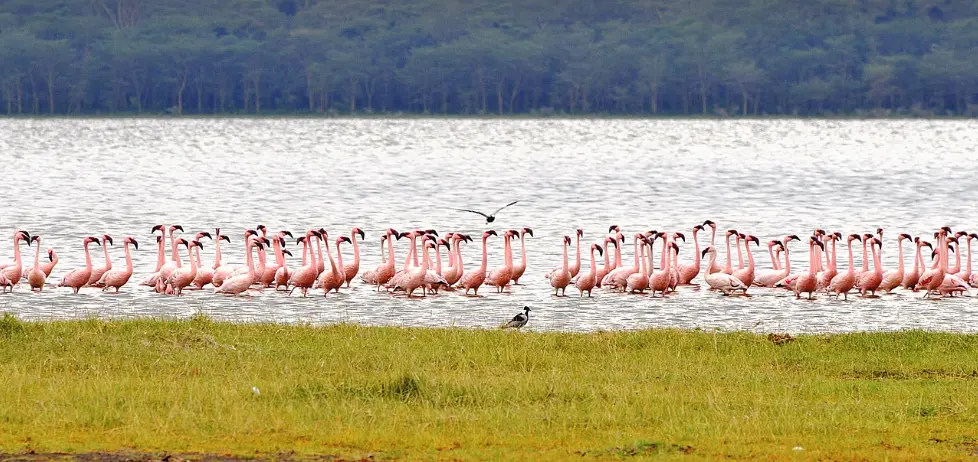
Kenya is one of the world’s top destinations for wildlife enthusiasts. From the iconic Big Five to breathtaking landscapes, here are the best ways to experience Kenya’s incredible biodiversity. 1.Masai Mara National Reserve: Famous for the Great Migration, Masai Mara offers unparalleled opportunities to see lions, elephants, giraffes, and more. 2.Lake Nakuru: This soda lake is home to thousands of flamingos, creating a pink-hued spectacle, as well as rhinos and leopards. 3.Amboseli National Park: Known for its large elephant herds, this park also offers stunning views of Mount Kilimanjaro. 4.Samburu National Reserve: Located in northern Kenya, this reserve is home to unique species like the Grevy’s zebra and Somali ostrich. Conclusion: Kenya is a dream destination for safari lovers. Its diverse wildlife and scenic beauty provide unforgettable experiences for every traveler.

Exploring Hidden Gems in Europe: Off-the-Beaten-Path Destinations

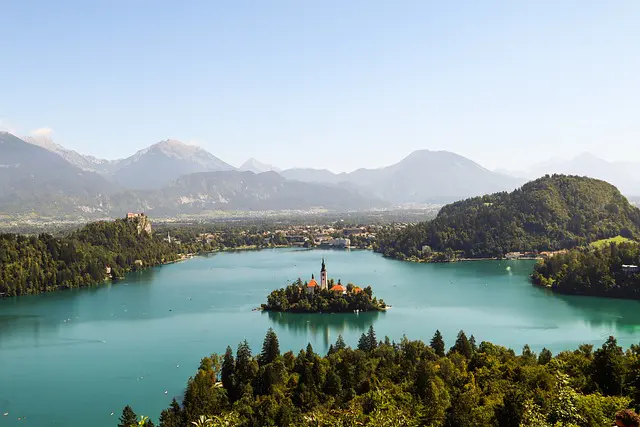
Europe is home to some of the world’s most iconic landmarks—places like Paris, Rome, and Amsterdam have long been on the must-visit lists of travelers. But beyond the crowds and the well-trodden paths, Europe boasts a variety of hidden gems that are waiting to be discovered. These lesser-known destinations offer travelers the chance to explore unspoiled nature, experience unique cultural practices, and indulge in authentic local cuisine. Take Lake Bled in Slovenia, for instance. While it may not have the international recognition of the French Riviera or the Swiss Alps, this serene, emerald-green lake surrounded by the towering peaks of the Julian Alps is a breathtaking sight. Visitors can row across the lake to a small island that features a medieval church, and enjoy a peaceful escape from modern life. Slovenia’s Lake Bled is just one of many lesser-known gems in the region that are rich in both beauty and history. Albania, with its stunning beaches and rugged landscapes, offers an alternative to the crowded coastal destinations of Croatia and Greece. Its beaches are pristine, with crystal-clear waters and secluded bays perfect for quiet reflection or adventure. Along the Albanian Riviera, towns like Dhërmi and Jale offer untouched beauty without the commercialization found elsewhere in the Mediterranean. Romania’s Transylvania, known worldwide for its Dracula legends, is another region that has remained under the radar for most international travelers. Here, visitors can explore medieval castles like Bran Castle, often referred to as Dracula’s Castle, or hike the Carpathian Mountains in search of rare wildlife and panoramic views. This region is steeped in folklore, and travelers can learn about centuries-old traditions through encounters with local artisans and villagers. Transylvania’s landscapes are diverse, from dense forests to sprawling hilltop villages, making it a perfect destination for outdoor enthusiasts and history lovers alike. The appeal of these off-the-beaten-path destinations lies not just in their picturesque beauty but also in the opportunity they offer for authentic cultural exchanges. Travelers often experience a deeper connection to the local way of life, whether it’s through traditional cooking classes, local festivals, or interacting with artisans and community members. For those tired of the over-commercialized destinations that often feel disconnected from the true essence of a place, hidden gems in Europe offer a refreshing alternative. As these lesser-known spots gain more attention, they remain at risk of becoming more commercialized. The key for travelers is to strike a balance—exploring these areas while respecting local communities and the environment. It’s essential to travel responsibly, staying at locally-owned accommodations, eating at family-run restaurants, and engaging with the culture in a meaningful way. In doing so, we not only ensure the longevity of these hidden treasures but also contribute to the local economy and the preservation of cultural heritage.

How Sustainable Travel is Changing the Tourism Industry

As climate change becomes an increasingly urgent global issue, the travel industry is undergoing a significant shift towards sustainability. Travelers are becoming more aware of the environmental impact of their journeys and are seeking ways to reduce their carbon footprints while still exploring the world. Sustainable travel isn’t just a trend—it’s a response to the growing concerns about over-tourism and its impact on the environment, wildlife, and local communities. For travelers, sustainable travel involves a wide range of choices, from opting for eco-friendly hotels to choosing sustainable transportation options. Many travelers now consider the environmental policies of their accommodations before making a booking. Hotels that use renewable energy, conserve water, reduce waste, and focus on sustainable sourcing are becoming increasingly popular. Some hotels even offer guests the chance to plant trees as part of their stay, helping to offset their carbon emissions. In terms of transportation, many people are choosing trains or buses over flights, as flying remains one of the most carbon-intensive activities. However, it’s not always feasible to avoid air travel, especially for long-distance trips. In these cases, travelers are opting for airlines that are taking steps to reduce their environmental impact. Some airlines are investing in more fuel-efficient aircraft, while others are exploring the use of sustainable aviation fuel, which can drastically reduce carbon emissions. The growing popularity of sustainable tourism has led to a boom in eco-tourism destinations. For example, Costa Rica, a pioneer in eco-tourism, attracts millions of visitors annually who come to explore its rich biodiversity and rainforests. Here, visitors can take guided tours that emphasize conservation, learning about the importance of preserving delicate ecosystems and the impact of deforestation. Costa Rica is also home to many national parks and wildlife refuges that offer travelers a chance to see rare species like sloths, toucans, and sea turtles in their natural habitats. Beyond individual choices, the tourism industry as a whole is embracing sustainability. Companies and governments are increasingly focused on reducing waste, preserving local heritage sites, and minimizing tourism’s impact on the environment. The rise of “green” certifications, such as the Global Sustainable Tourism Council’s criteria, is helping travelers make informed decisions about where to visit. Many destinations are also implementing policies that limit the number of tourists to prevent overcrowding, which in turn protects fragile environments and cultural landmarks. In addition to environmental sustainability, social responsibility is also a key consideration in sustainable travel. Responsible tourism involves making sure that tourism brings benefits to local communities without exploiting them. This can involve supporting local businesses, respecting local traditions and cultures, and engaging with communities in a way that is respectful and mutually beneficial. For example, travelers may opt to stay in homestays rather than large hotel chains, directly supporting local families and economies. Sustainable travel requires a mindset shift—one that focuses on the long-term well-being of the planet and its inhabitants. It’s a way of traveling that aims not only to minimize harm but also to contribute positively to the places we visit. As travelers, we have the power to shape the future of the tourism industry by making more responsible and informed choices. This shift towards sustainable tourism is not just essential for protecting the environment—it’s crucial for ensuring that future generations can enjoy the beauty of the world in the same way we do.

The Cultural Wonders of South Korea: A Traveler’s Guide

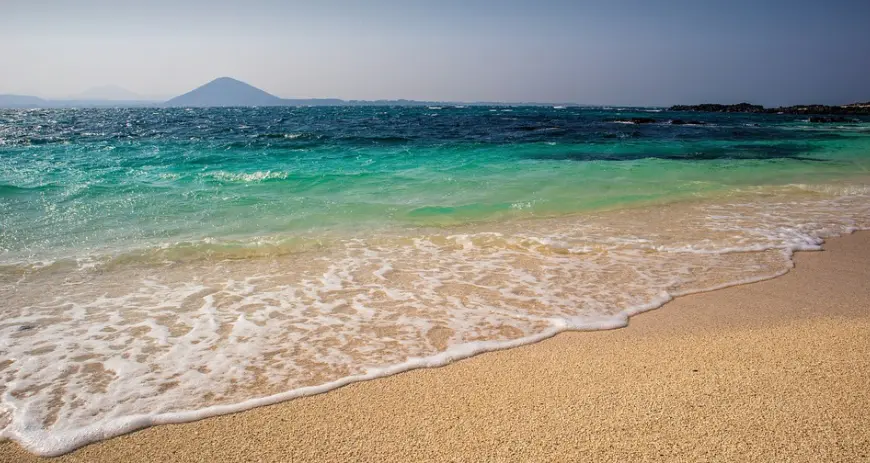
South Korea is a dynamic country where ancient traditions meet modern innovation. From bustling cities to serene temples, here are the must-visit destinations. 1.Seoul: South Korea’s capital offers everything from high-tech attractions to historical landmarks like Gyeongbokgung Palace and Bukchon Hanok Village. 2.Jeju Island: Known as the “Hawaii of Korea,” Jeju Island features stunning beaches, volcanic landscapes, and the iconic Hallasan Mountain. 3.Gyeongju: Often called “the museum without walls,” Gyeongju is home to countless historical sites, including Bulguksa Temple and Seokguram Grotto. 4.Busan: Enjoy a blend of urban life and natural beauty in Busan. Visit Haeundae Beach, explore Jagalchi Fish Market, and hike in Taejongdae Park. Conclusion: South Korea is a land of contrasts, offering a perfect mix of tradition and modernity. Whether you’re a history buff, foodie, or nature lover, this country has something for everyone.

Discover the Hidden Gems of Italy Beyond Rome and Venice

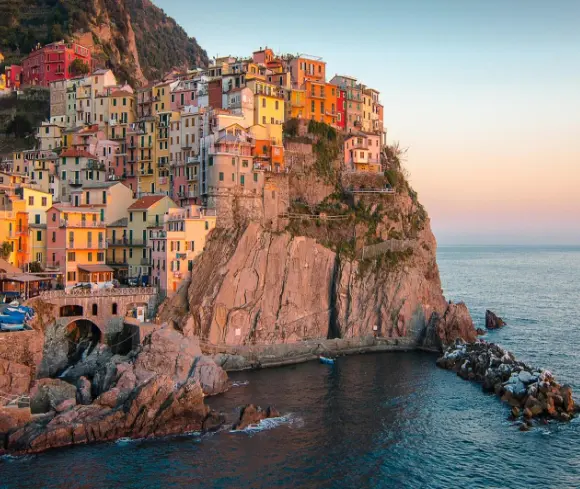
While Rome, Venice, and Florence often steal the spotlight, Italy is full of lesser-known destinations that are equally captivating. Explore these hidden gems for a unique Italian adventure. 1.Matera: Famous for its ancient cave dwellings, Matera is a UNESCO World Heritage Site and one of Europe’s oldest continuously inhabited cities. 2.Cinque Terre: These five colorful fishing villages perched on cliffs offer stunning coastal views, hiking trails, and delicious seafood. 3.Puglia: Located in Italy’s “heel,” Puglia is known for its whitewashed towns, olive groves, and unique trulli houses in Alberobello. 4.Lake Orta: Less crowded than its famous neighbors, Lake Orta is a tranquil retreat surrounded by charming villages and serene waters. Conclusion: Italy’s beauty goes far beyond its iconic landmarks. Exploring these off-the-beaten-path destinations will give you a deeper appreciation of the country’s diverse culture and landscapes.

8 of 8 articles