
Beyond the Surface: How Skincare is Redefining Beauty Standards in the Digital Age
Nova Quinn
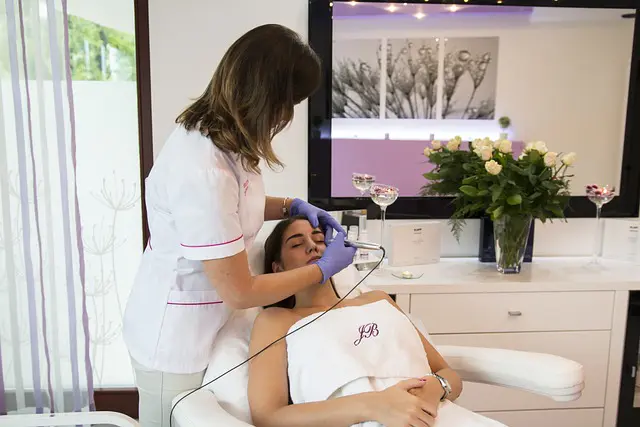
In the age of Instagram filters, TikTok trends, and endless beauty tutorials, the concept of beauty is constantly evolving. Skincare, once seen as a behind-the-scenes practice, has taken center stage, becoming a powerful tool for self-expression and empowerment. But as the digital world reshapes how we perceive beauty, it’s also challenging traditional standards and fostering a more inclusive, authentic approach to skincare. In this blog post, I want to explore how skincare is redefining beauty in the digital age, breaking down barriers, and encouraging us to embrace our unique skin stories. The Rise of #SkinPositivity: Embracing Imperfections Social media has long been criticized for promoting unrealistic beauty standards, but it’s also become a platform for change. The #SkinPositivity movement is a prime example of how skincare is being used to challenge perfection and celebrate authenticity. Acne Empowerment: Influencers and everyday users are sharing unfiltered photos of their acne, scars, and hyperpigmentation, normalizing these common skin concerns. This shift is helping to dismantle the stigma around “imperfect” skin and encouraging others to feel confident in their own. Aging Gracefully: The anti-aging narrative is being redefined as more people proudly showcase their wrinkles, fine lines, and gray hair. Skincare is no longer about erasing signs of aging but about maintaining healthy, radiant skin at every stage of life. Cultural Representation: The beauty industry is finally recognizing the diverse skincare needs of different skin tones and types. Brands are creating products tailored to melanin-rich skin, sensitive skin, and everything in between, ensuring that everyone feels seen and valued. The #SkinPositivity movement reminds us that beauty isn’t about achieving flawlessness—it’s about embracing our individuality and telling our unique stories. The Influence of Technology: From Filters to Formulations Technology is playing a dual role in the skincare world. On one hand, it’s driving innovation in product development; on the other, it’s shaping how we perceive and interact with beauty. Augmented Reality (AR) Beauty: AR filters on platforms like Instagram and Snapchat have revolutionized how we experiment with beauty. Virtual try-ons for skincare products allow users to see how a product might look on their skin before purchasing, making the shopping experience more personalized and accessible. AI-Powered Diagnostics: Apps and devices powered by artificial intelligence can analyze your skin’s condition, track changes over time, and recommend products tailored to your specific needs. This technology is democratizing access to personalized skincare, making it easier for everyone to achieve their goals. Ingredient Transparency: Blockchain technology is being used to provide complete transparency about a product’s ingredients and sourcing. This empowers consumers to make informed choices and supports ethical, sustainable brands. While technology has its pitfalls—such as the pressure to achieve filtered perfection—it’s also driving positive change by making skincare more inclusive, accessible, and innovative. The Shift Toward Sustainability: Beauty with a Conscience As consumers become more aware of the environmental impact of their choices, sustainability has become a key focus in the skincare industry. This shift is not just about eco-friendly packaging—it’s about rethinking every aspect of beauty, from ingredient sourcing to production methods. Clean Beauty: The clean beauty movement emphasizes products that are free from harmful chemicals and made with ethically sourced, non-toxic ingredients. This trend is pushing brands to prioritize transparency and accountability. Refillable and Zero-Waste Packaging: Many brands are now offering refillable options or packaging made from recycled materials. This small change can have a big impact on reducing plastic waste and promoting a circular economy. Waterless Beauty: Water is often the first ingredient in many skincare products, but it’s also a finite resource. Waterless beauty products, such as solid cleansers or concentrated serums, are gaining popularity for their sustainability and potency. Upcycled Ingredients: Some brands are turning to upcycled ingredients—materials that would otherwise go to waste—to create innovative skincare solutions. For example, coffee grounds, fruit peels, and even discarded flowers are being repurposed into effective skincare products. Sustainability isn’t just a trend; it’s a responsibility. By choosing eco-conscious brands and products, we can take care of our skin while also taking care of the planet. The Role of Community: Skincare as a Shared Experience Skincare has always been a personal journey, but in the digital age, it’s also becoming a communal one. Online communities, forums, and social media groups are bringing people together to share tips, recommendations, and support. Skincare Enthusiast Groups: Platforms like Reddit and Facebook are home to thriving skincare communities where users can ask questions, share reviews, and discuss their favorite products. These spaces foster a sense of belonging and provide valuable insights for beginners and experts alike. Influencer Collaborations: Skincare influencers are partnering with brands to create products that reflect their followers’ needs and preferences. This collaborative approach ensures that products are not only effective but also resonate with their audience. Virtual Skincare Events: From live Q&A sessions with dermatologists to virtual skincare workshops, the digital world is making it easier than ever to learn and connect with others who share your passion for skincare. These communities remind us that skincare is not just about individual routines—it’s about shared experiences, collective knowledge, and mutual support. Conclusion: Redefining Beauty in the Digital Age The digital age has transformed skincare from a private ritual into a global conversation. It’s challenging outdated beauty standards, promoting inclusivity, and encouraging us to embrace our unique skin stories. Whether it’s through the #SkinPositivity movement, sustainable practices, or online communities, skincare is becoming a powerful tool for self-expression and empowerment. As we navigate this ever-changing landscape, let’s remember that beauty is not about conforming to a single standard—it’s about celebrating our individuality and finding what makes us feel confident and radiant. In the words of skincare guru Caroline Hirons, “Skincare is not vanity; it’s self-respect.” So let’s continue to redefine beauty, one skincare routine at a time.

Exploring Hidden Gems in Europe: Off-the-Beaten-Path Destinations
Sienna Bishop
Europe is home to some of the world’s most iconic landmarks—places like Paris, Rome, and Amsterdam have long been on the must-visit lists of travelers. But beyond the crowds and the well-trodden paths, Europe boasts a variety of hidden gems that are waiting to be discovered. These lesser-known destinations offer travelers the chance to explore unspoiled nature, experience unique cultural practices, and indulge in authentic local cuisine. Take Lake Bled in Slovenia, for instance. While it may not have the international recognition of the French Riviera or the Swiss Alps, this serene, emerald-green lake surrounded by the towering peaks of the Julian Alps is a breathtaking sight. Visitors can row across the lake to a small island that features a medieval church, and enjoy a peaceful escape from modern life. Slovenia’s Lake Bled is just one of many lesser-known gems in the region that are rich in both beauty and history. Albania, with its stunning beaches and rugged landscapes, offers an alternative to the crowded coastal destinations of Croatia and Greece. Its beaches are pristine, with crystal-clear waters and secluded bays perfect for quiet reflection or adventure. Along the Albanian Riviera, towns like Dhërmi and Jale offer untouched beauty without the commercialization found elsewhere in the Mediterranean. Romania’s Transylvania, known worldwide for its Dracula legends, is another region that has remained under the radar for most international travelers. Here, visitors can explore medieval castles like Bran Castle, often referred to as Dracula’s Castle, or hike the Carpathian Mountains in search of rare wildlife and panoramic views. This region is steeped in folklore, and travelers can learn about centuries-old traditions through encounters with local artisans and villagers. Transylvania’s landscapes are diverse, from dense forests to sprawling hilltop villages, making it a perfect destination for outdoor enthusiasts and history lovers alike. The appeal of these off-the-beaten-path destinations lies not just in their picturesque beauty but also in the opportunity they offer for authentic cultural exchanges. Travelers often experience a deeper connection to the local way of life, whether it’s through traditional cooking classes, local festivals, or interacting with artisans and community members. For those tired of the over-commercialized destinations that often feel disconnected from the true essence of a place, hidden gems in Europe offer a refreshing alternative. As these lesser-known spots gain more attention, they remain at risk of becoming more commercialized. The key for travelers is to strike a balance—exploring these areas while respecting local communities and the environment. It’s essential to travel responsibly, staying at locally-owned accommodations, eating at family-run restaurants, and engaging with the culture in a meaningful way. In doing so, we not only ensure the longevity of these hidden treasures but also contribute to the local economy and the preservation of cultural heritage.
Unveiling the Future of Beauty: How Science, Sustainability, and Self-Expression are Redefining the Beauty Industry
Millie Ross
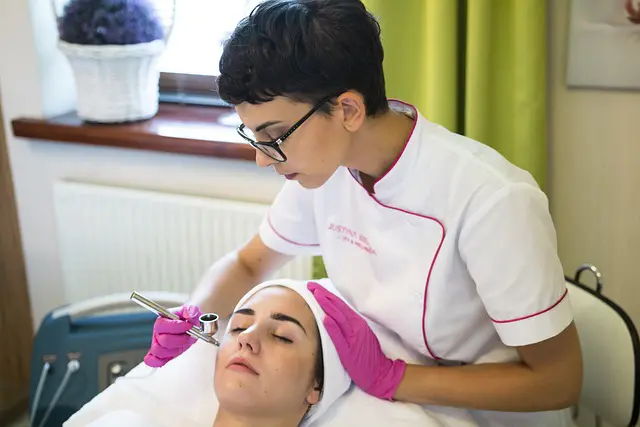
The beauty industry is undergoing a transformative shift. It’s no longer just about face masks and foundation—today’s beauty world embraces a broader scope, integrating technology, sustainability, and self-expression in unprecedented ways. As a beauty enthusiast and influencer, it’s crucial to stay ahead of the curve, not only in terms of the latest products but in understanding the philosophies driving these changes. In this post, we’ll dive deep into the current and future trends that are shaping the beauty industry, examining how advancements in science and technology are revolutionizing skincare and makeup, how sustainability is being prioritized, and how beauty is evolving into an inclusive and personalized journey of self-expression. 1. The Intersection of Science and Beauty Gone are the days when beauty was defined solely by external appearance. Today, beauty is deeply connected to health and wellness, with an increasing focus on skin health. This shift is driven by the growing recognition that the skin is a living organ, requiring care, nourishment, and science-backed solutions to thrive. The Rise of Skinimalism One of the biggest trends in recent years is the rise of skinimalism—a philosophy that promotes a more minimalist approach to skincare. This movement encourages consumers to focus on fewer, but more effective, products. The idea is not just to achieve a flawless look but to maintain healthy, nourished skin that feels good and looks good. Many beauty brands are now prioritizing multifunctional products that target multiple skin concerns at once. Think about serums that hydrate, brighten, and protect, or moisturizers with built-in SPF and anti-aging properties. This holistic approach to beauty, combining skincare and makeup, is reshaping the way we think about our beauty routines. Advancements in Dermatological Science The development of cutting-edge dermatological science is propelling the beauty industry forward. From microbiome-friendly skincare to customized serums and anti-aging treatments, the options available today are more sophisticated than ever before. New discoveries in dermatology and biotechnology have led to the creation of products that specifically target the underlying causes of skin issues, rather than just masking symptoms. For example, the use of peptides, stem cells, and retinoids in skincare has become more commonplace, with these ingredients being scientifically proven to boost collagen production, reduce fine lines, and promote a youthful glow. Furthermore, brands are now harnessing the power of artificial intelligence to create personalized skincare routines. These tech-driven innovations are enabling consumers to make smarter, more informed decisions about their beauty regimens. 2. Sustainability: The Green Beauty Revolution Consumers are increasingly aware of the environmental impact of their purchasing decisions. As a result, sustainability has moved from being a buzzword to a key factor in the beauty industry’s evolution. Sustainable beauty doesn’t just focus on packaging—although that’s an important aspect—but also on ethical sourcing, cruelty-free testing, and the carbon footprint of manufacturing processes. Packaging Innovations One of the most noticeable shifts in the beauty industry has been the push towards eco-friendly and recyclable packaging. Brands are actively seeking alternatives to plastic, with many switching to glass, bamboo, or biodegradable materials. Some beauty companies are even introducing refillable packaging systems to further reduce waste. For instance, beauty giants like L’Oréal and Unilever have committed to reducing their carbon footprint and adopting more sustainable packaging solutions. This movement is particularly strong in skincare, where brands are switching to biodegradable tubes, recyclable glass jars, and using natural, organic materials for product containers. The Clean Beauty Movement Clean beauty is another important facet of this sustainability shift. Consumers are increasingly demanding transparency about what goes into their products, and brands are responding by removing controversial ingredients such as parabens, sulfates, and phthalates. Instead, there’s a growing focus on plant-based ingredients and natural formulations. The clean beauty movement also ties in with ethical sourcing. Many beauty brands are now sourcing their ingredients from sustainable farms and supporting fair trade practices. The emphasis on ethical production extends to cruelty-free testing, where consumers now expect brands to be transparent about whether they conduct animal testing. Carbon Footprint Reduction Some beauty brands are taking the initiative to offset their carbon footprints by investing in renewable energy or planting trees to balance out their emissions. These measures are part of a larger trend in the beauty industry to align with global sustainability goals, aiming to minimize their environmental impact and contribute to climate action. 3. Beauty as Self-Expression and Inclusivity Beauty has always been a form of self-expression, but in recent years, it has evolved into a more inclusive and empowering platform where individuals can celebrate their unique identities. Beauty is no longer about conforming to societal standards of perfection—it’s about embracing diversity, celebrating differences, and encouraging people to express themselves freely. Breaking Beauty Standards The concept of beauty has been dramatically expanded to reflect a broader range of skin tones, body types, genders, and ages. In 2025, beauty brands no longer rely on a narrow, Western-centric ideal of beauty but instead embrace the rich diversity of the global population. We see this reflected in the increasing range of foundation shades offered by brands like Fenty Beauty, which revolutionized the beauty industry by offering an inclusive range of products for all skin tones. Gender Fluidity in Beauty Another exciting trend in beauty is the growing acceptance of gender fluidity. The rise of gender-neutral beauty products and marketing campaigns signals a shift toward inclusivity. Brands are developing products that can be used by anyone, regardless of gender, and marketing them in a way that celebrates individual expression. This represents a move away from rigid beauty standards, allowing people to define beauty on their own terms. The Importance of Digital Beauty Communities The advent of social media has further fueled the movement of beauty as self-expression. Platforms like Instagram, TikTok, and YouTube have democratized beauty by allowing everyday people, influencers, and professionals to share their tips, tutorials, and experiences. These digital spaces foster a sense of community where everyone can share their unique beauty stories, exchange advice, and empower others to embrace their individuality. The beauty community today is one where people from all walks of life, ethnicities, genders, and backgrounds come together, united by a common appreciation for creativity, diversity, and inclusivity. 4. The Future of Beauty: Personalized, Tech-Driven, and Conscious As we look to the future, the beauty industry is set to continue evolving in ways that prioritize personalization, technology, and conscious consumerism. Here are some key trends we can expect to see in the coming years: Personalized Beauty Solutions The future of beauty is incredibly personalized. Thanks to artificial intelligence and machine learning, beauty brands will be able to provide highly customized skincare and makeup solutions based on an individual’s specific skin type, concerns, and preferences. AI-powered beauty apps are already being used to analyze a person’s skin and recommend tailored products, and this trend will only expand as the technology becomes more advanced. Augmented Reality (AR) and Virtual Try-Ons AR technology is already revolutionizing the way we shop for makeup. Virtual try-on apps allow consumers to see how products will look on their skin in real-time, making it easier to choose the right shades and formulations. As AR technology continues to improve, we can expect even more immersive beauty shopping experiences, where consumers can experiment with various looks without ever having to leave their homes. Sustainable Beauty 2.0 Sustainability will continue to be a driving force in the beauty industry. But as the industry matures, expect to see even more innovation in sustainable beauty practices. From biodegradable packaging to zero-waste formulas, beauty brands will continue to push the envelope in reducing their environmental impact. Additionally, the concept of “circular beauty” will gain traction, where products are designed for reuse and recycling from the outset. Conclusion: A Beauty Revolution is Underway The beauty industry is undergoing a seismic shift. The future of beauty is a blend of innovation, inclusivity, and sustainability, with a deep focus on personalized solutions that empower individuals to express themselves authentically. As consumers demand more transparency, brands will need to adapt, leveraging technology and ethical practices to meet the needs of a more informed and conscious audience. In a world where self-expression is paramount, beauty is no longer about fitting into a mold—it’s about celebrating your individuality and taking care of your skin and body in the most mindful, effective, and sustainable way possible. The beauty industry, it seems, is not just about how we look, but about how we feel, who we are, and how we choose to contribute to a better, more inclusive world.
Enhancing Elementary Math with Visual Arts: A Creative Approach
Brooklyn Grant
Incorporating visual arts into elementary math curriculums can significantly enhance the learning process by merging creativity and analytical thinking. This integration can render mathematical concepts more tangible and captivating for young learners, promoting a practical method that leads to a more profound comprehension. Here are four artistic activities that can help make math come alive in elementary education settings. Andy Warhol's iconic pop art, such as his 1962 Campbell’s Soup Cans, serves as an excellent teaching tool for multiplication arrays. Pupils can craft their own arrays by selecting an image or creating a drawing and then formulate multiplication problems based on the repeated patterns within the artwork. The shapes within Vincent van Gogh's masterpiece, The Starry Night, provide an opportunity for students to search for and identify various shapes. Features like stars, the moon, and the famous swirling patterns can be pointed out and named, encouraging students to recognize geometric forms in their everyday environment. Investigating the symmetry in artworks, such as Frida Kahlo’s 1939 piece The Two Fridas, where two representations of the artist are positioned facing each other in symmetrical poses but with different attire, can lead to classroom discussions about the concept of symmetry and its occurrence in both real life and mathematical problems. Both counting and one-to-one correspondence can be effectively taught through the examination of works by artists like Pablo Picasso or Piet Mondrian. Students can engage in counting exercises by tallying shapes within the artwork, such as the number of squares or the quantity of shapes of a specific hue. These innovative strategies were inspired by author and educator Heather Sanderell’s experiences at the Cleveland Museum of Art. Instead of physically taking her math students to the museum, she utilized the museum’s online resources to bring art into the classroom, fostering connections between the seemingly unrelated fields of art and math, and enhancing her students' grasp of both disciplines. For further insights on integrating fine arts into elementary math teaching, refer to Sanderell’s piece for Edutopia titled “Pythagoras and Picasso: Integrating Math and Art in the Classroom.”
Beyond the Surface: How Skincare is Redefining Beauty Standards in the Digital Age
Nova Quinn
Exploring Hidden Gems in Europe: Off-the-Beaten-Path Destinations
Sienna Bishop
Unveiling the Future of Beauty: How Science, Sustainability, and Self-Expression are Redefining the Beauty Industry
Millie Ross
Enhancing Elementary Math with Visual Arts: A Creative Approach
Brooklyn Grant
A Journey Through Morocco: From the Sahara to the Atlas Mountains
Logan Hall

Mastering the Art of Classroom Management: A Guide for New Educators and Their Mentors
Oliver Keene

Timeless Beauty Trends: How Classic Styles Are Influencing Modern Fashion
Brynn Jacobs

Inclusive Education: Fostering Diversity, Equity, and Belonging in the Classroom
Harper Banks

Discover the Hidden Gems of Italy Beyond Rome and Venice
Elijah Clark

Strategies for an Engaging Classroom Environment
Harper Hughes

Instruct with the Grace of a Hummingbird, Not the Intrusiveness of a Helicopter
Ember Alvarez
A helicopter-style teacher, akin to an overbearing parent, dominates the classroom with their overwhelming presence. They become the center of attention, and the children's needs are overshadowed by the teacher's. This approach often leads to practices that are not age-appropriate. In contrast, a hummingbird teacher subtly enters the scene when necessary, swiftly addressing issues without disrupting the children's activities. They are vigilant, ready to assist with conflict resolution or problem-solving when required, and then gracefully exit the scene. A hummingbird teacher provides information when children inquire and encourages curiosity by observing their interests and extending their inquiries. They subtly shape the environment to stimulate children's desire to explore and solve problems. During one of my hummingbird teaching moments in the indoor classroom, I noticed children throwing bean bags at each other, which could lead to injuries. I placed a basket near the back door and challenged the children to throw the bean bags into it from a short distance. Shortly after, they called me over; one bean bag had landed on the door's opening/closing mechanism, and another had joined it after an attempt to dislodge the first. Cover of "I'm not Getting Them Ready for Kindergarten" by Kristen Day. Courtesy of Routledge They sought my help to retrieve the bean bags, but adhering to a child-centered approach that promotes learning through trial and error, I asked them to think of ways to retrieve the bean bags themselves. They brainstormed ideas, such as standing on a chair, which didn't work due to their height. They then tried stacking a chair on a table, but still fell short. Suggestions ranged from using a ladder to a grabber tool like their great-grandfather's. These were clear examples of problem-solving in action! I could have intervened and offered help or stopped their chair-on-table arrangement for safety reasons. However, I understand that meaningful learning often comes from failure. I was there, quietly observing and encouraging, ensuring they were safe while allowing them to experience the learning process. In my past as a helicopter teacher, I might have shown them how to retrieve the bean bags or done it for them, missing the educational opportunity. Using phrases like "I wonder..." or "What do you think?" are hallmarks of a hummingbird teacher, who, with their quiet presence, fosters more curiosity and inquiry in children. Imagine if I told you that people are fully capable of constructing their own learning. Or that children with diverse knowledge and abilities can co-construct learning in groups. Or that adults aren't always necessary for learning to occur. These are all truths supported by research, such as Sugata Mitra's Hole in the Wall Experiment, which demonstrated that children can learn remarkably well on their own without direct adult instruction, thanks to their innate curiosity and ability to self-organize in learning environments. A study by Stipek et al. in 1995 showed that didactic programs, which rely on teacher-directed instruction, provided gains in reading but not in math, and these gains were outweighed by negative effects on children's confidence, motivation, and independence. In educational settings that allow children freedom to initiate and complete tasks, they tend to choose more challenging tasks, rely less on adult approval, and take more pride in their achievements. Didactic instruction, which emphasizes performance, can suppress children's natural curiosity and willingness to tackle new challenges. Teachers should create the conditions for learning and then step back to let the children explore. But Kristen, doesn't Vygotsky's theory of scaffolding require direct teaching? How does this work without the teacher's direct involvement? This is where the balance comes into play. Yes, scaffolding is essential, where a more knowledgeable person provides support until the learner can complete a task independently. If a child asks for help with a task, you provide it. However, if a child consistently seeks your assistance for everything, you might encourage them to try it on their own. Building relationships with each child is crucial for understanding their unique needs and providing timely scaffolding. We can teach, but in a child-led program, teaching is organic, based on the children's needs and interests during play, and it adapts daily based on the direction of their activities.
The Evolution of Beauty: Embracing Individuality in a World of Trends
Chloe O'Connor
In the age of social media and instant gratification, the beauty industry has become a fast-paced, ever-changing landscape. Every day, new products, trends, and techniques emerge, promising to revolutionize the way we look and feel. But amidst the noise, one thing remains constant: beauty is deeply personal. It’s not about conforming to societal standards or chasing the latest fad—it’s about embracing your individuality and celebrating what makes you unique. In this blog post, I want to explore how we can navigate the beauty world with confidence, authenticity, and a focus on self-expression. From understanding the psychology of beauty to debunking common myths, let’s dive into what it truly means to feel beautiful in your own skin. The Psychology of Beauty: Why We Care Beauty has always been a powerful force in human culture. From ancient civilizations to modern societies, the way we perceive beauty has shaped art, relationships, and even self-worth. But why do we care so much about beauty? The answer lies in psychology. 1. The Halo Effect The "halo effect" is a cognitive bias where we assume that people who are physically attractive also possess other desirable traits, such as intelligence, kindness, and success. This phenomenon explains why beauty often holds such sway in our lives—it’s not just about aesthetics; it’s about how we’re perceived by others. 2. Self-Expression and Identity Beauty is also a form of self-expression. The way we style our hair, apply makeup, or choose our clothing reflects our personality, mood, and values. For many, beauty routines are a way to connect with themselves and showcase their identity to the world. 3. Confidence and Empowerment When we feel good about our appearance, it boosts our confidence and self-esteem. This isn’t about vanity—it’s about feeling empowered and ready to take on the world. A bold lipstick or a fresh haircut can be transformative, not because it changes who we are, but because it helps us embrace who we are. Debunking Beauty Myths: Separating Fact from Fiction The beauty industry is rife with myths and misconceptions. Let’s take a closer look at some of the most common ones and set the record straight. Myth 1: Expensive Products Are Always Better While high-end products often come with luxurious packaging and marketing, price doesn’t always equate to quality. Many affordable brands use the same active ingredients as their pricier counterparts. The key is to focus on the formulation and ingredients, not the price tag. Myth 2: Natural Ingredients Are Always Safe Just because something is natural doesn’t mean it’s good for your skin. Poison ivy is natural, but you wouldn’t want to rub it on your face! Similarly, some natural ingredients, like essential oils, can be irritating or allergenic. Always patch-test new products, regardless of their origin. Myth 3: You Need a 10-Step Skincare Routine While multi-step routines can be fun and indulgent, they’re not necessary for healthy skin. In fact, overloading your skin with too many products can lead to irritation and breakouts. A simple routine with a cleanser, moisturizer, and sunscreen is often all you need. Myth 4: Makeup Ruins Your Skin Makeup itself isn’t harmful to your skin—it’s how you use it that matters. Sleeping in makeup or using expired products can clog pores and cause breakouts, but with proper cleansing and skincare, makeup can be a safe and creative way to enhance your features. The Rise of Inclusive Beauty: Celebrating Diversity One of the most exciting developments in the beauty industry is the push for inclusivity. For too long, beauty standards were narrow and exclusionary, but today, brands are finally recognizing the importance of diversity. 1. Shade Ranges for All Skin Tones Foundations and concealers are now available in a wide range of shades to suit every skin tone. This shift not only makes beauty more accessible but also sends a powerful message that everyone deserves to feel represented. 2. Gender-Neutral Beauty The lines between "men’s" and "women’s" beauty products are blurring, and for good reason. Beauty is for everyone, regardless of gender. Gender-neutral brands and products are challenging outdated norms and encouraging self-expression for all. 3. Embracing Aging The anti-aging narrative is slowly being replaced by a more positive and inclusive approach to aging. Instead of demonizing wrinkles and fine lines, brands are celebrating the beauty of aging and encouraging people to embrace their natural journey. The Role of Technology in Beauty Technology is transforming the way we approach beauty, from personalized skincare to virtual try-ons. Here are some of the most exciting innovations: 1. AI-Powered Skincare Analysis Apps and devices now use artificial intelligence to analyze your skin and recommend products tailored to your specific needs. This takes the guesswork out of skincare and ensures you’re using the right ingredients for your concerns. 2. Virtual Makeup Try-Ons Augmented reality allows you to "try on" makeup virtually before making a purchase. This is especially helpful for experimenting with bold colors or finding the perfect foundation shade. 3. Sustainable Packaging Technology is also driving sustainability in the beauty industry. From biodegradable packaging to refillable containers, brands are finding innovative ways to reduce waste and minimize their environmental impact. Beauty as Self-Care: A Holistic Approach At its core, beauty is about more than just looking good—it’s about feeling good. Incorporating self-care into your beauty routine can transform it from a chore into a meaningful ritual. 1. Mindful Makeup Application Instead of rushing through your makeup routine, take the time to enjoy the process. Focus on how each product makes you feel and use it as an opportunity to connect with yourself. 2. Skincare as a Sensory Experience Choose products with textures and scents that you love. Whether it’s a rich, velvety moisturizer or a refreshing facial mist, let your skincare routine engage your senses and uplift your mood. 3. Gratitude for Your Body Beauty isn’t just about your face—it’s about your entire body. Take a moment to appreciate all that your body does for you, from carrying you through the day to expressing your emotions. Final Thoughts: Redefining Beauty on Your Terms The beauty industry will continue to evolve, but one thing will always remain true: beauty is personal. It’s not about following trends or meeting unrealistic standards—it’s about expressing yourself, feeling confident, and embracing what makes you unique. As you navigate your own beauty journey, remember to be kind to yourself. Celebrate your progress, learn from your mistakes, and don’t be afraid to experiment. Whether you’re a skincare enthusiast, a makeup lover, or someone who prefers a more minimalist approach, there’s no right or wrong way to do beauty. It’s your journey, and it’s yours to define. So, here’s to breaking the mold, challenging the norms, and redefining beauty on your terms. Because true beauty isn’t about fitting in—it’s about standing out.
The Evolution of Skincare: How Cultural Traditions Are Shaping Modern Beauty
Oakley Shepherd
Skincare is a universal practice, but its methods, ingredients, and philosophies vary widely across cultures. From the ancient beauty rituals of Asia to the holistic approaches of Africa, the world is rich with traditions that have stood the test of time. In today’s globalized beauty industry, these cultural practices are not only being preserved but are also influencing modern skincare trends. In this blog post, I want to take you on a journey through the evolution of skincare, exploring how cultural traditions are shaping the way we care for our skin today. Asia: The Birthplace of Innovation and Elegance Asia has long been at the forefront of skincare innovation, with countries like Japan, South Korea, and China leading the way. These cultures have a deep-rooted emphasis on prevention, hydration, and meticulous routines, which have inspired the global “K-beauty” and “J-beauty” phenomena. South Korea’s Layering Technique: The famous 10-step Korean skincare routine is more than just a trend—it’s a philosophy. By layering lightweight products like essences, serums, and ampoules, this method ensures deep hydration and targeted treatment. The focus on hydration stems from the belief that plump, well-moisturized skin is the foundation of youthfulness. Japan’s Minimalist Approach: Japanese skincare, on the other hand, emphasizes simplicity and quality. Ingredients like rice bran, green tea, and camellia oil have been used for centuries to brighten, soothe, and protect the skin. The Japanese also prioritize sun protection, a practice deeply ingrained in their culture to maintain fair, even-toned skin. China’s Herbal Wisdom: Traditional Chinese Medicine (TCM) has influenced skincare for thousands of years. Ingredients like ginseng, goji berries, and pearl powder are believed to balance the body’s energy (qi) and promote radiant skin. TCM also emphasizes internal wellness, advocating for diets and teas that support skin health. These Asian traditions have not only shaped their own beauty industries but have also introduced the world to innovative concepts like sheet masks, cushion compacts, and fermented ingredients. Africa: The Power of Nature and Community African skincare traditions are deeply rooted in the use of natural ingredients and communal knowledge. From the deserts of Morocco to the savannas of Kenya, each region has its own unique practices that celebrate the richness of the land. Moroccan Argan Oil: Known as “liquid gold,” argan oil has been used by Berber women for centuries to moisturize and protect their skin and hair. Packed with vitamin E and fatty acids, this oil is now a global skincare staple. Shea Butter from West Africa: Shea butter, derived from the nuts of the shea tree, is a cornerstone of West African skincare. Its moisturizing and anti-inflammatory properties make it ideal for treating dry skin, eczema, and even scars. Ethiopian Coffee Scrubs: Coffee isn’t just for drinking—it’s also a popular exfoliant in Ethiopia. Mixed with oils or honey, coffee grounds are used to slough off dead skin cells and improve circulation, leaving the skin smooth and glowing. African skincare traditions highlight the importance of sustainability and community. Many of these practices are passed down through generations, preserving both cultural heritage and the environment. Europe: Timeless Elegance and Scientific Advancements Europe has a rich history of skincare, blending timeless elegance with cutting-edge science. From the luxurious creams of France to the natural remedies of the Mediterranean, European beauty traditions are as diverse as the continent itself. French Pharmacy Favorites: French skincare is synonymous with luxury and efficacy. Brands like La Roche-Posay and Avène have popularized the use of thermal spring water, which is rich in minerals and known for its soothing properties. The French also emphasize gentle, pH-balanced cleansers and rich moisturizers. Mediterranean Olive Oil: In countries like Greece and Italy, olive oil has been used for centuries as a moisturizer and cleanser. Its antioxidants and fatty acids help protect the skin from environmental damage and maintain its elasticity. Nordic Cold-Weather Wisdom: In Scandinavia, where harsh winters can take a toll on the skin, ingredients like lingonberries, birch sap, and seaweed are used to hydrate and protect. The Nordic approach also emphasizes simplicity and functionality, with a focus on multi-tasking products. European skincare traditions often combine natural ingredients with scientific research, creating products that are both effective and luxurious. The Americas: Indigenous Wisdom and Modern Fusion The Americas are home to a wealth of indigenous skincare traditions that have influenced modern beauty practices. From the Amazon rainforest to the deserts of the Southwest, these cultures have long relied on the healing power of plants. Aztec Clay Masks: The Aztecs used bentonite clay to detoxify and purify the skin. This tradition has been revived in recent years, with clay masks becoming a popular treatment for acne and oily skin. Aloe Vera from Mexico: Aloe vera, known for its soothing and hydrating properties, has been used in Mexico for centuries. It’s now a staple in skincare products worldwide, from gels to moisturizers. Native American Herbal Remedies: Many Native American tribes use plants like calendula, chamomile, and witch hazel to treat skin conditions. These ingredients are now commonly found in natural skincare products. In addition to these indigenous traditions, the Americas have also embraced a fusion of global influences, creating a diverse and innovative beauty landscape. The Future of Skincare: A Global Tapestry As the beauty industry continues to evolve, it’s clear that cultural traditions will play a key role in shaping its future. Here’s how these influences are coming together to create a more inclusive and innovative skincare world: Cross-Cultural Collaboration: Brands are increasingly collaborating with communities to ethically source ingredients and preserve traditional knowledge. For example, fair-trade shea butter initiatives empower West African women while providing high-quality products to consumers. Holistic Beauty: The global shift toward holistic wellness is bringing ancient practices like Ayurveda, TCM, and herbal medicine into the mainstream. This approach recognizes that skincare is not just about external treatments but also about internal balance. Sustainability and Ethics: Many cultural traditions emphasize a deep respect for nature, inspiring brands to adopt sustainable practices. From waterless beauty to upcycled ingredients, the industry is becoming more environmentally conscious. Inclusivity: As the beauty industry embraces diversity, it’s also celebrating the unique skincare needs of different skin tones and types. This inclusivity is rooted in the understanding that beauty is not one-size-fits-all. Conclusion: Celebrating the Beauty of Diversity Skincare is a reflection of our shared humanity—a way to care for ourselves and connect with others. By exploring and honoring cultural traditions, we can learn from the wisdom of the past while embracing the innovations of the future. Whether it’s the hydrating layers of K-beauty, the natural remedies of Africa, or the scientific advancements of Europe, each tradition offers something valuable. As we move forward, let’s celebrate the diversity of skincare and recognize that beauty is not about conforming to a single standard but about finding what works for you. After all, the most beautiful skin is skin that’s cared for with love, respect, and a touch of cultural curiosity.

The Evolution of Education: Embracing Technology and Personalized Learning
William York
The education system, historically designed to provide knowledge and skills to students, has undergone profound transformations over the years. While the traditional classroom with a teacher standing at the front of the room and students sitting at desks remains prevalent, a revolution is underway—an educational revolution driven by technological advancements and a shift toward personalized learning. The goal is not just to educate but to nurture and empower each student to reach their full potential. In this article, we will explore how educational practices have evolved, focusing on the role of technology and personalized learning in shaping the future of education. Additionally, we will examine the challenges faced by educators and institutions in adopting these changes, and how a balance between innovation and traditional methods is critical for success. The Traditional Model of Education The traditional model of education, often referred to as the "factory model," was designed during the Industrial Revolution. It was efficient for its time, with schools acting as a conveyor belt, mass-producing students with standardized knowledge and skills. The teacher was the central figure in the classroom, disseminating information to a group of students who were expected to absorb it passively. This model, though effective in many ways, has shown its limitations in addressing the diverse needs of students. Critics argue that this approach fails to accommodate the varying learning styles, interests, and abilities of students. In such a system, students who excelled were often left unchallenged, while those who struggled with the pace or method of instruction were left behind. Despite these shortcomings, the traditional education model persisted for much of the 20th century, and in many parts of the world, it still dominates today. However, as society has evolved, so too have the needs of students. The digital age, with its rapid advancements in technology, has created an environment that requires new ways of thinking about education. The rise of the internet, artificial intelligence, and machine learning has paved the way for educational reforms, shifting the focus from a one-size-fits-all model to a more dynamic, individualized approach. The Role of Technology in Education In recent decades, technology has rapidly transformed many aspects of life, and education is no exception. From online courses to digital textbooks, educational technology has had a profound impact on how students learn and how teachers teach. The integration of technology into classrooms has opened up new possibilities for enhancing learning experiences, improving accessibility, and personalizing instruction. 1. Digital Learning Tools and Platforms One of the most notable contributions of technology to education has been the development of digital learning tools and platforms. These platforms allow students to access educational content, collaborate with peers, and engage in interactive activities outside of the traditional classroom. For example, platforms like Khan Academy, Coursera, and edX have made it possible for students worldwide to take courses from top universities and experts in various fields. These digital tools offer a wealth of resources—videos, quizzes, discussions, and interactive assignments—that cater to different learning preferences. Students who may not thrive in a lecture-based setting can engage in self-paced learning, allowing them to take ownership of their education. This has been particularly beneficial for adult learners, non-traditional students, and those with learning disabilities, offering them flexible learning options that fit into their personal lives. 2. Artificial Intelligence (AI) and Machine Learning Artificial intelligence (AI) has the potential to revolutionize education by providing tailored learning experiences for students. AI-powered platforms can track a student's progress, identify areas where they are struggling, and adjust the curriculum accordingly. For example, AI-based tutoring systems such as Squirrel AI and Carnegie Learning are able to analyze a student's responses and provide customized feedback, helping them learn at their own pace. Moreover, AI can assist teachers in managing classrooms more efficiently. Automated grading systems, predictive analytics, and student performance monitoring can help educators identify struggling students early, allowing for timely interventions. By reducing administrative tasks, AI allows teachers to spend more time on individualized instruction and student engagement. 3. Virtual and Augmented Reality (VR/AR) Virtual reality (VR) and augmented reality (AR) technologies have introduced immersive learning experiences that engage students in ways that traditional textbooks cannot. For example, VR can transport students to historical events, allowing them to experience history firsthand, or to distant planets, making science lessons more interactive. AR, on the other hand, overlays digital content onto the real world, allowing students to interact with 3D models and simulations. These technologies are particularly useful in subjects that require hands-on learning, such as medicine, engineering, and architecture. Students can practice complex procedures or experiment with designs in a risk-free virtual environment, gaining valuable experience without the constraints of physical resources or safety concerns. 4. Gamification of Learning Gamification, the integration of game-like elements into non-game contexts, has become a popular method for increasing student engagement. By incorporating points, levels, badges, and leaderboards, educators can create a fun and competitive learning environment that motivates students to participate and excel. This approach has been particularly effective in subjects that students traditionally find less engaging, such as mathematics and language arts. For instance, platforms like Duolingo, which teaches language through gamification, have become immensely popular. Students enjoy learning through challenges and rewards, and this interactive approach has been shown to increase retention and improve outcomes. The Rise of Personalized Learning Personalized learning refers to an educational approach that tailors the learning experience to meet the individual needs, preferences, and abilities of each student. Unlike the traditional model, which often treats all students as a homogenous group, personalized learning recognizes that each student is unique and requires different types of support to succeed. 1. Student-Centered Learning At the heart of personalized learning is the shift from teacher-centered to student-centered learning. In this model, students take on a more active role in their education. They set their own goals, track their progress, and make decisions about how they learn best. Teachers act as facilitators, guiding students through their learning journey rather than simply delivering content. This shift has been made possible by advances in technology, which provide students with access to a wealth of resources and allow them to learn at their own pace. For example, adaptive learning systems like DreamBox and McGraw-Hill Education's ALEKS use algorithms to customize the content and pace of lessons, ensuring that students receive the right level of challenge based on their individual progress. 2. Competency-Based Education Competency-based education (CBE) is an approach that focuses on students demonstrating mastery of specific skills or knowledge before moving on to more advanced topics. This contrasts with the traditional system, where students move forward based on the time spent in class rather than actual achievement. In CBE, students are assessed on their ability to demonstrate competence in various areas. This allows for greater flexibility, as students can progress at their own pace, spending more time on areas where they need improvement and advancing quickly through concepts they have already mastered. CBE also emphasizes real-world applications of knowledge, ensuring that students are prepared for success in their careers. 3. Data-Driven Instruction Personalized learning relies heavily on data to guide instructional decisions. Teachers use data to understand each student's strengths, weaknesses, learning preferences, and progress. This data is collected through assessments, observations, and interactions with digital learning tools. By analyzing this data, teachers can provide timely interventions, offer personalized feedback, and adjust instruction to meet the needs of each student. For example, if a student is struggling with a particular concept, the teacher may offer additional resources or suggest alternative learning strategies. Challenges and Barriers to Implementation While the potential of technology and personalized learning is immense, several challenges and barriers remain in the way of full-scale implementation. 1. Access to Technology Access to technology remains one of the biggest barriers to adopting digital learning tools and personalized instruction. While many students in developed countries have access to laptops and the internet, this is not the case in many parts of the world, where infrastructure and resources are limited. In order for personalized learning to be truly effective, equitable access to technology is essential. 2. Teacher Training Even with the best tools and resources, technology is only as effective as the educators who use it. Teachers need to be trained not only in how to use the technology but also in how to integrate it into their teaching practices effectively. Professional development programs must be designed to help educators navigate the complexities of personalized learning and make the most of the available digital tools. 3. Data Privacy and Security As education becomes more data-driven, concerns around data privacy and security have emerged. Schools and educational institutions must ensure that student data is protected and used ethically. This includes securing personal information, ensuring that data is not misused, and providing transparency in how data is collected and analyzed. 4. Resistance to Change The transition from traditional methods to technology-driven and personalized learning can be met with resistance from both educators and parents. Some may fear that technology will replace human teachers, while others may feel that personalized learning undermines the importance of a structured, standardized curriculum. Overcoming this resistance requires clear communication about the benefits of these innovations and a gradual, inclusive approach to implementation. The Future of Education The future of education lies in a hybrid model that blends the best of traditional and modern approaches. While technology can enhance and personalize learning, the human element—the teacher-student relationship—remains irreplaceable. Personalized learning, when implemented thoughtfully, can empower students to take control of their learning, allowing them to pursue their passions and develop the skills they need to succeed in the 21st century. In the coming years, we can expect further integration of technology into the classroom, as well as the expansion of personalized learning models that cater to the diverse needs of students. However, as we embrace innovation, we must ensure that no student is left behind, and that equity, access, and teacher support remain at the forefront of educational reform. The journey toward a more personalized, technology-enabled education system is not without its challenges, but the rewards—greater student engagement, better learning outcomes, and a more inclusive educational experience—are well worth the effort. As we move forward, we must keep in mind that education is not just about preparing students for jobs but about preparing them for life, giving them the tools to think critically, collaborate, and innovate in an increasingly complex world.
The Art and Science of Beauty: A Holistic Approach to Skincare and Self-Care
Ivy Lewis

Top Wildlife Experiences in Kenya: A Safari Adventure
Scarlett Lewis

The Rise of Digital Nomadism: Why Work and Travel Are the New Norm
Mia Rhodes
Enhancing Literary Proficiency in Early Education
Freya Ellis

The Cultural Wonders of South Korea: A Traveler’s Guide
Isabella Walker
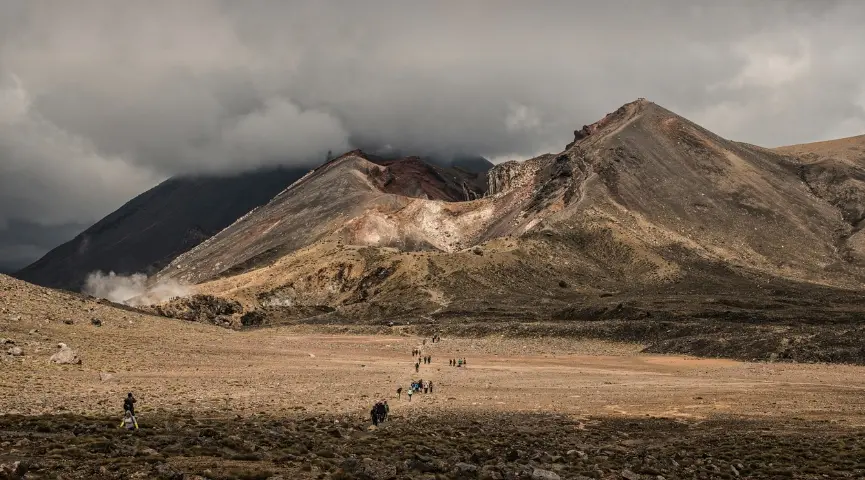
Exploring the Best Hiking Trails in New Zealand
Jack Williams